Sahara
Sahara Dunes & Sandboarding Near Agadir: What to Expect
You don't need to cross the whole of Morocco to find Saharan dunes — just 10 kilometres from Agadir, a sea of golden sand and epic sandboarding awaits.

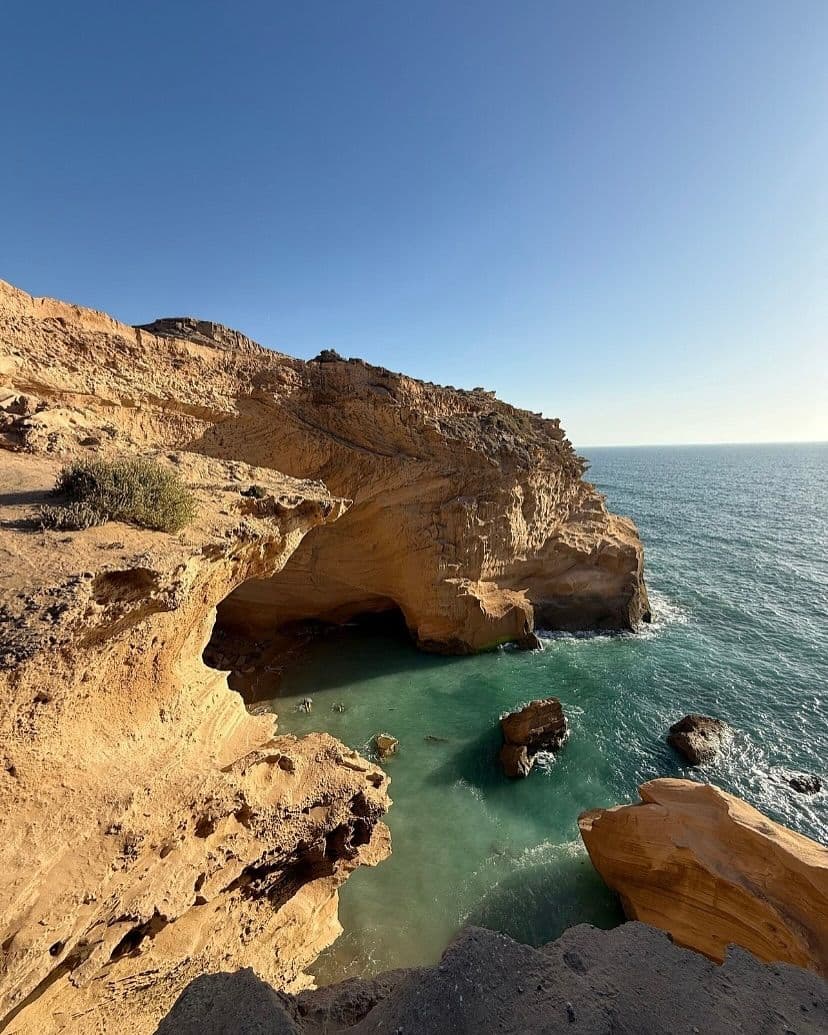
Most people know Morocco has the Sahara. Fewer realise that you don't need a two-day drive across the Atlas Mountains to experience it. About 70 km north of Agadir, where the coast road winds past argan groves and red-rock canyons toward Aghroud, golden dunes rise right beside the Atlantic — a 90-minute drive up the coast from your hotel.
This is the Mini Sahara, and it's one of the most accessible desert experiences in Africa. Here's what to expect when you go.
What Is Sandboarding Near Agadir Like?
Sandboarding near Agadir takes place at the Timlaline dunes (sometimes spelled Timlalin), a coastal dune field about 70 km north of the city, near Aghroud. The experience is fast, surprisingly physical, and genuinely exhilarating — you strap a waxed board to your feet and descend steep sand faces that can reach speeds that feel far faster than they look from the bottom. No experience needed, and the guides adjust technique to your comfort level within the first few runs.
The Mini Sahara: What Is It?
The Timlaline dunes (also spelled Timlalin, and marketed by some operators as the 'Mini Sahara') are a compact, west-facing dune field squeezed between the Atlantic cliffs and a hidden canyon, on the coast road north toward Tamri and Aghroud. The dunes aren't as vast as Erg Chebbi near Merzouga, but they're dramatically shaped — steep-faced, photogenic, and big enough to give you a proper ride.
The surrounding landscape adds to the experience: argan trees dot the approach (Morocco produces 95% of the world's argan oil and most of it comes from this region), Berber villages sit on the plateau edges, and the air carries that particular dry-warm scent of semi-desert. It's a different world from the beach resort you left 90 minutes ago. Book the half-day sandboarding experience directly, or read on for exactly what to expect.
How Does a Sandboarding Session Work?
Here's a typical session, step by step:
- Pick-up from Agadir or Taghazout: Most operators include hotel transfer. The drive north hugs the Atlantic coast through Tamraght, Aourir and Tamri — keep watching out the window as the cliffs and dunes come into view.
- Arrival at the dunes: Your guide briefs you on the board (usually a modified snowboard with a waxed base) and demonstrates the stance — feet shoulder-width apart, knees slightly bent, weight centred.
- First runs: You start on a smaller dune to get the feel. The sand is fine and soft, so falls are more undignified than painful.
- Full descents: Once you've found your balance, the guide takes you to the main dune face. The ride lasts 8–15 seconds depending on the line — longer than it sounds when you're accelerating on sand.
- Climbing back up: The honest part — climbing back up the dune is a workout. Expect burning calves and a genuine appreciation for ski lifts.
- Photo time: Guides are well-practiced at shooting action photos on your phone. Golden-hour light on the dunes is extraordinary if you time your visit well.
The Hidden Canyon Tour: Dunes Plus Desert Landscape
For a more immersive afternoon and evening, the dedicated sunset canyon tour combines the sandboarding experience with a visit to a hidden desert canyon that most visitors never find on their own.
The canyon section is genuinely dramatic — narrow gorge walls carved by ancient water, silence so complete you notice it, and rock formations that turn gold and purple as the sun drops. The tour runs from late afternoon into the evening, ending with a traditional Moroccan meal outdoors.
This format is ideal if you want a complete desert experience rather than just an activity tick.
Sandboarding vs. Snowboarding: What's Different?
If you've snowboarded before, sandboarding will feel familiar but not identical:
- Speed: Sand creates more friction than snow, so you're generally slower — but the gradient on steep dune faces compensates.
- Wipeouts: Falling on sand is softer than ice but rougher than powder. Sand also gets everywhere — in your shoes, your hair, your camera bag. Embrace it.
- Board feel: The board doesn't edge into sand the same way it bites into snow, so carving turns is harder. Most people ride straight down rather than across the fall line.
- Heat: Dune sand in summer can be extremely hot underfoot. Closed shoes are genuinely recommended.
If you've never snowboarded or skateboarded, don't worry — the guides have taught hundreds of first-timers and the technique is simpler than it looks.
The Camel Ride & BBQ Combination
Many visitors combine the sandboarding with a sunset camel ride and Moroccan barbecue dinner. It sounds like a tourist cliché and delivers something far more real: riding a camel across open desert at dusk, watching the Atlantic horizon glow from a vantage point you'd never reach on foot, then eating slow-cooked lamb with strangers who become table companions by the second course. See the full sandboarding, camel ride and BBQ combination for exactly what's included.
This combined format is a full afternoon-and-evening itinerary and one of the most popular experiences Yallah Morocco offers — for good reason.
What to Bring
- Closed shoes: Sand gets scorching in summer. Trainers or hiking shoes protect your feet and give better grip for climbing.
- Sunglasses: Wind picks up on the dune faces and sand in the eyes is miserable.
- Layers: Desert temperatures drop quickly after sunset — a light jacket or hoodie makes the return journey comfortable.
- Sunscreen: The dune environment reflects UV. Apply before you go.
- A bag with a zip: Not a drawstring bag. Sand defeats drawstrings comprehensively.
- Cash: Some operators take cards at the point of booking but it's worth having MAD on hand for tips and any extras.
Getting There from Agadir
The dune area is roughly 70 km north of central Agadir, along the coast road toward Tamri and Aghroud. Options:
- Guided tour with transfer: The simplest option. Pick-up from your hotel is included with most operators.
- Grand taxi: This is a ~70 km run up the coast each way, so a return with wait time is a longer, pricier ride than a city hop — agree a fixed price at the rank, or let a guided tour handle the transfer.
- Rental car: Easy to navigate — head north out of Agadir on the coast road (toward Taghazout / Essaouira), continue through Tamraght, Aourir and Tamri toward Aghroud; the last ~5 km to the dunes is unpaved but flat. GPS works reliably.
The route is paved until that final unpaved stretch; no 4x4 required.
Часто задаваемые вопросы
Is sandboarding near Agadir suitable for children?
Yes — children typically love it and often learn faster than adults. Most operators welcome children from age 6 or 7 upwards. The activity is low-risk (soft sand, no hard surfaces), though adult supervision is required on the dune faces at all times.
How big are the dunes near Agadir?
The main dune faces at the Mini Sahara reach approximately 20–30 metres in height. They're not the enormous dunes of Erg Chebbi near Merzouga, but they're steep enough to generate real speed on a sandboard and visually dramatic enough to feel authentically Saharan.
What's the best time of year to go sandboarding near Agadir?
Year-round, though April to October offers the most comfortable conditions. July and August are hot (35 °C+) in the dune area — opt for a late-afternoon or sunset tour to avoid the worst heat. November to March is pleasantly warm and less crowded.
Do I need any experience to go sandboarding?
No experience is needed. Guides provide a full briefing and start beginners on smaller dune faces before moving to the main rides. Most people feel comfortable within two or three runs. If you can ski or skateboard, you'll adapt even faster.
Can I visit the dunes independently without a guide?
You can get a taxi to the dune area, but a guided tour adds significant value: the guide knows the best dune faces, provides the board and safety briefing, handles logistics, and often knows secret viewpoints and photo spots that aren't obvious on arrival. For the sunset canyon combination tour, a guide is essential.
How far is the Mini Sahara from Taghazout?
The dune area is approximately 25–35 minutes by car from Taghazout, depending on the specific location. Most tour operators in Taghazout offer pick-up as part of the package, making it a very manageable half-day or evening excursion.
Читать дальше
 Agadir
Things to Do in Agadir & Taghazout: The Ultimate Guide
From surf breaks and sandboarding to Paradise Valley waterfalls and smoky lamb tagine, this guide covers everything you need to make the most of Morocco's sunniest coast.
 Agadir
Where to Eat in Agadir & Taghazout: What Locals Actually Order
Forget restaurant guides. Here's how we actually eat in Agadir and Taghazout: fish by weight at the port, souk stalls for breakfast, and what a tagine should really cost.
 Agadir
Imouzzer Waterfalls from Agadir: The Honest Guide (and When There Is Actually Water)
The Imouzzer waterfalls are at their best from November to April and a trickle the rest of the year — here's what we tell guests before they book, plus the honest case for going anyway.
Обсуждение
Поделитесь опытом, задайте вопрос или поправьте нас — мы читаем каждый комментарий.
Будьте первым, кто поделится мнением об этой статье.