
South of Agadir, Souss-Massa National Park protects one of the rarest birds on the planet alongside flamingos, gazelle, and a reintroduction program for desert antelope. Here's what an honest visit looks like, guide included.
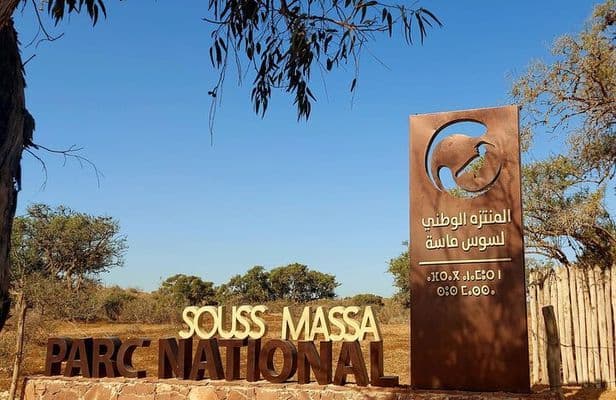
# Souss-Massa National Park: Bald Ibis, Wildlife & How to Visit
Souss-Massa National Park is a 33,800-hectare stretch of Atlantic coastline running between the Souss and Massa river estuaries, about 75 minutes (just over an hour) south of Agadir by paved road. We run wildlife safaris here because it holds one thing you can't see almost anywhere else on the planet: the only wild breeding population of the northern bald ibis left on Earth. Alongside the ibis you'll find seasonal flamingos, free-roaming gazelle, and a fenced reintroduction program for desert antelope that vanished from Morocco decades ago. Most visitors book a guided half-day 4x4 safari rather than finding their own way in, for reasons we'll explain below.
The park was created in 1991 for one purpose: to stop the northern bald ibis from disappearing entirely. It now protects 33,800 hectares of dunes, coastal grassland, cliffs, and wetlands running roughly 60 km down the coast, with the Souss estuary near Agadir at its northern edge and the Massa estuary further south. The route in is straightforward: Agadir, then Inezgane, then Sidi Bibi, then the park entrance, all paved. No public transport reaches the park itself, which shapes how most people visit (more below).
More than 200 bird species have been recorded here, which gives Souss-Massa real standing with birders well beyond Morocco. Our destination guide to Souss-Massa National Park has more on layout and access if you're planning independently.
The northern bald ibis (Geronticus eremita) is a strange-looking bird: glossy black plumage with a bronze-green sheen, a bare red face and crown, and a long curved red bill built for probing dry ground. The IUCN Red List assessed it as Endangered under criterion D in its most recent global assessment, published in August 2018, up from Critically Endangered. That downlisting is real progress, but the numbers are still small: 200 to 249 mature individuals worldwide.
BirdLife International, which carries out the assessment for IUCN, is blunt about where those birds actually are: "At least 95% of truly wild birds are now concentrated in one subpopulation in Morocco." The species once bred across North Africa, the Middle East, and parts of southern Europe. By the late 1990s, after a mysterious die-off in 1996, the wild population had crashed to just 59 breeding pairs. Recovery since then has been slow: BirdLife's data put the Moroccan population at 116 pairs and around 580 birds by the end of the 2015 breeding season, and the trend is now stable. A small Syrian colony found in 2002 has since dwindled again, and Turkey's population survives only through managed, semi-wild breeding. Morocco is essentially the whole story now.
Inside Souss-Massa National Park itself there are three ibis sub-colonies nesting on coastal cliffs, but they don't move around the reserve the way the antelope do; they stick to a handful of cliff faces and nearby feeding grounds. The second, separate breeding site sits north of the park at Tamri, about 15 km north of Taghazout, where colonies nest year-round rather than seasonally. Guides who run this route regularly build in a roughly 30-minute detour to Tamri when sightings are quiet, which is the main reason we'd steer you toward a guided trip over doing it yourself.
The ibis is the headline, but it's not the only reason this coast is protected. The Massa estuary draws migratory flamingos, peaking November to February, plus waders and herons on the mudflats at low tide. Dorcas gazelle, the smallest gazelle species in this part of the Sahara's edge, still roam the scrub relatively freely.
To be precise, because guests sometimes assume otherwise: the addax, scimitar-horned oryx, and North African ostrich you'll likely see are not wild sightings the way the ibis or gazelle are. All three species disappeared from Morocco entirely, the addax around 1956 and the scimitar-horned oryx in 1973, and what exists at Souss-Massa now is a reintroduction and captive-breeding program, with animals held in large fenced enclosures rather than roaming free. It's still worth seeing up close, and it's honest conservation work rather than a roadside zoo, but it's a different category of encounter than the ibis colony.
| Species | Status at Souss-Massa | Where you'll typically see it |
|---|---|---|
| Northern bald ibis | Wild, breeding population (Endangered) | Coastal cliffs inside the park; year-round at Tamri, 30 min north |
| Greater flamingo | Wild, seasonal migrant | Massa estuary, peak November to February |
| Dorcas gazelle | Wild, free-roaming | Scrub and grassland across the reserve |
| Addax | Reintroduced, fenced enclosure | Managed zone within the park |
| Scimitar-horned oryx | Reintroduced, fenced enclosure | Managed zone within the park |
| North African ostrich | Reintroduced, fenced enclosure | Managed zone within the park |
You can rent a car and drive the well-paved road as far as the park entrance yourself. What you can't easily do is then navigate the interior tracks and know where that week's ibis colony or gazelle group happens to be, since no public route runs through the reserve. In practice, almost everyone ends up booking a guided 4x4 or hiring a ranger at the gate, so the real choice isn't "guide versus no guide," it's "book ahead versus arrange it on arrival and hope."
Our own Souss-Massa safari tour runs about 3 hours for groups of up to 15, with hotel or port pickup anywhere in Agadir, park entry, and an English- or French-speaking guide all included. Food, drinks, and tips aren't, so bring water and a snack. Full pricing is in the table below.
We've had mornings where the whole vehicle goes quiet for a solid ten minutes because someone in the back row spotted movement on the cliff before the guide called it out, and everyone understood exactly what they were looking at without needing it explained. That's the version of this trip worth having: a guide who knows which cliff face has been active that week, not a printed map.
| Guided safari (what we run) | Self-drive / independent | |
|---|---|---|
| Getting to the park | Hotel or port pickup, included | Rent a car; well-paved route via Inezgane and Sidi Bibi |
| Inside the reserve | Ranger-guided 4x4 track, current nest locations known | No independent route; you'll still need a guide or ranger at the gate |
| Bald ibis odds | Guide can add the Tamri detour if the main colony is quiet | Hit or miss without local, current knowledge |
| Typical cost | 644 MAD (about €60) adult / 451 MAD (about €42) child | Car rental plus a gate-arranged guide, often a similar total |
| Best suited to | First visits, families, birders without their own gear-heavy setup | Travelers who already have a rental 4x4 and want a longer, custom day |
October through April is the best window, both for the ibis and for migratory birds passing through the estuary, with flamingo numbers peaking November to February. Mornings between 7 and 10 AM are consistently the best time of day, when temperatures are still low and animals are actively feeding rather than sheltering. Mid-summer is the wrong call: by July and August the coast here hits around 40°C, and most wildlife goes quiet and hides for the hottest hours, which makes for a long, hot drive with a lot less to show for it.
Binoculars are close to essential since wildlife keeps its distance from the track; a zoom lens is worth packing for photos. Beyond that: a hat, sunscreen, at least 1.5 litres of water per person, and long sleeves, since the safari sections run in more open-sided vehicles than the transfer, and sunburn sneaks up fast. In summer, expect biting flies around the Massa estuary.
This is an active conservation site, not a drive-through zoo, so the rules matter. Keep voices down near the ibis cliffs and the estuary, since noise disturbs feeding and nesting birds more than most visitors expect. Stay inside the vehicle or on the marked track rather than approaching animals on foot, don't feed anything (including the ostriches, no matter how close they wander), and pack out whatever you bring in. Follow your guide's or ranger's instructions on where the vehicle can and can't go, particularly near the fenced breeding enclosures.
We'd rather tell you this upfront than have you book the wrong trip. Want swimming, palm groves, and a slower pace? That's Paradise Valley, not this. If you need a fully wheelchair-accessible excursion, this one isn't it, since the terrain and vehicle setup don't accommodate it. Travelling in July or August with only an afternoon slot available? Pick a different excursion from our Agadir tours instead and save Souss-Massa for cooler months. And if fenced, managed wildlife sits uneasily with you, know that the addax and oryx sightings fall into that category, even though the ibis and gazelle don't.
For most travelers with an interest in birds, nature, or an easy half-day out of the city, though, this remains one of the day trips our returning guests ask to repeat most.
It's best known as the last place on Earth with a wild breeding population of the northern bald ibis, a critically rare bird that was pushed to the edge of extinction by the 1990s. The 33,800-hectare park also protects flamingos, gazelle, and a reintroduction program for antelope species that disappeared from Morocco decades ago.
Nothing wild is guaranteed, but the odds are good with a guide who knows the current colony locations, and better still if they can add the short detour to Tamri, where birds nest year-round rather than seasonally. Going in without local knowledge of that week's activity is where sightings become hit or miss.
You can drive yourself as far as the park entrance on a well-paved road, but no public route runs through the reserve, and there's no practical way to find current wildlife without a guide or ranger. Most independent visitors hire one at the gate anyway, so booking a guided safari in advance is usually simpler and no more expensive.
October through April overall, with flamingos peaking between November and February. Mornings from 7 to 10 AM are the best time of day year-round, and mid-summer afternoons are worth avoiding, since temperatures near 40°C push most animals into hiding.
Yes, it's one of the more relaxed excursions we run with children, since it's seated, air-conditioned in transit, and doesn't involve hiking or heights. Child pricing runs 451 MAD (about €42) against 644 MAD (about €60) for adults. We cover more family-specific planning in Agadir with kids: family activities if you're building out a full itinerary.
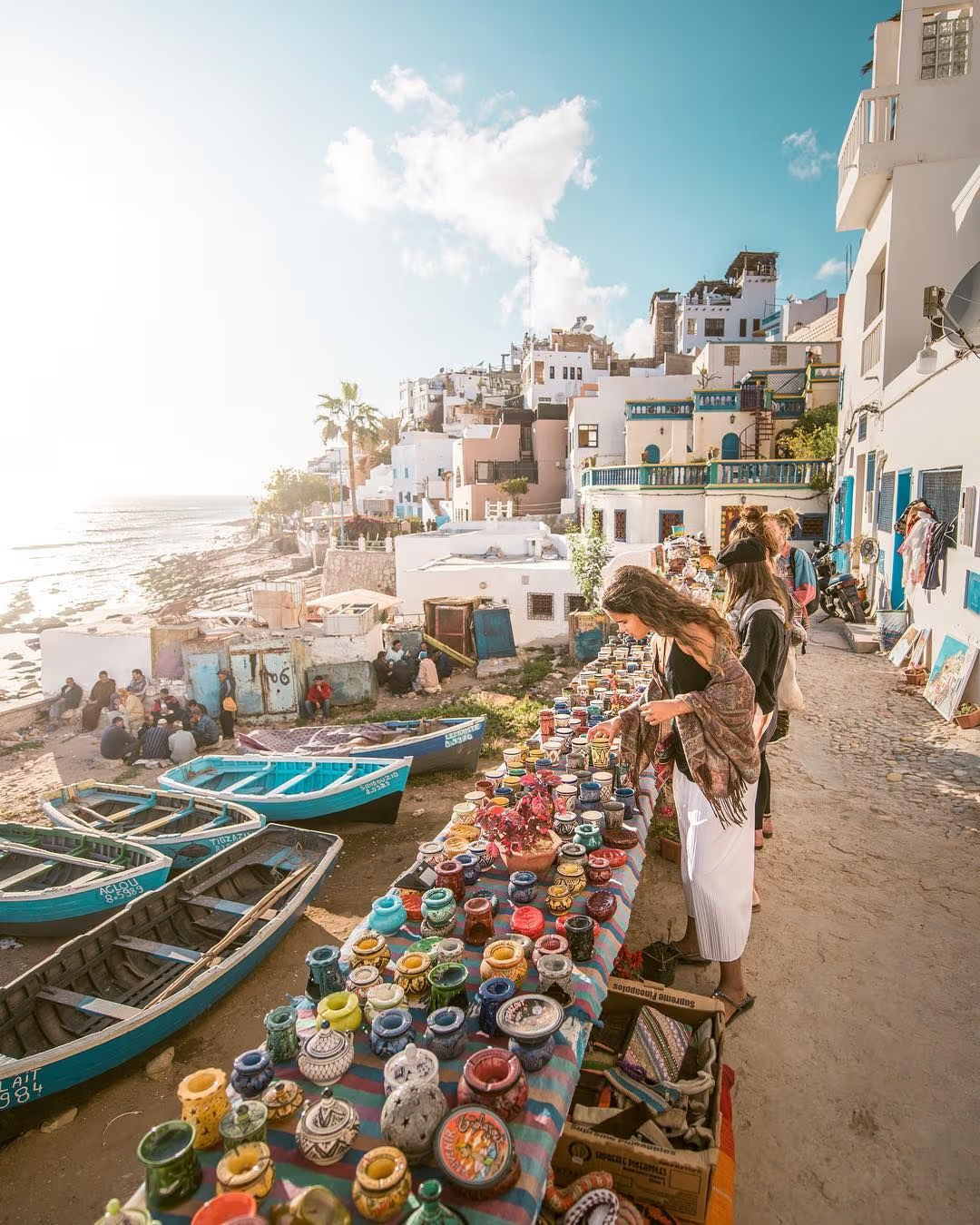
From surf breaks and sandboarding to Paradise Valley waterfalls and smoky lamb tagine, this guide covers everything you need to make the most of Morocco's sunniest coast.
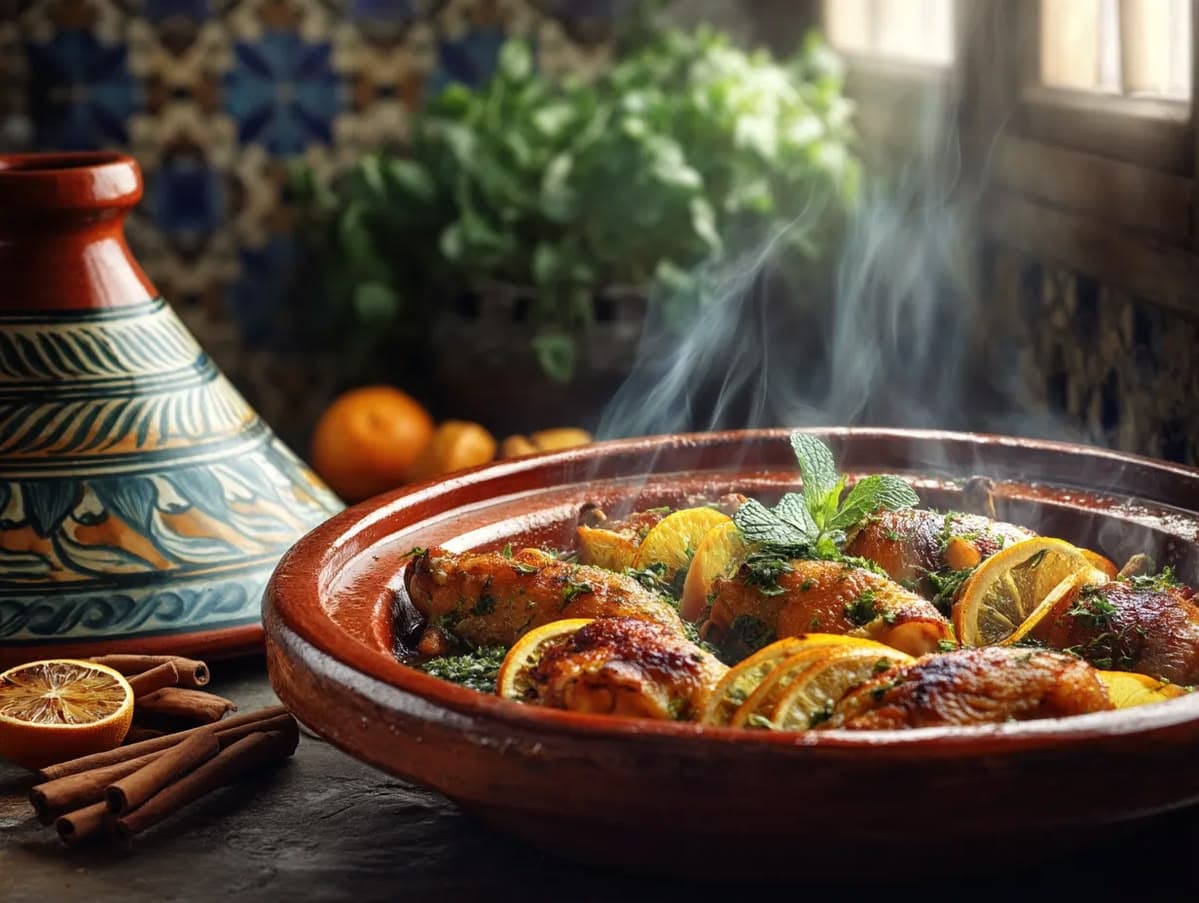
Forget restaurant guides. Here's how we actually eat in Agadir and Taghazout: fish by weight at the port, souk stalls for breakfast, and what a tagine should really cost.
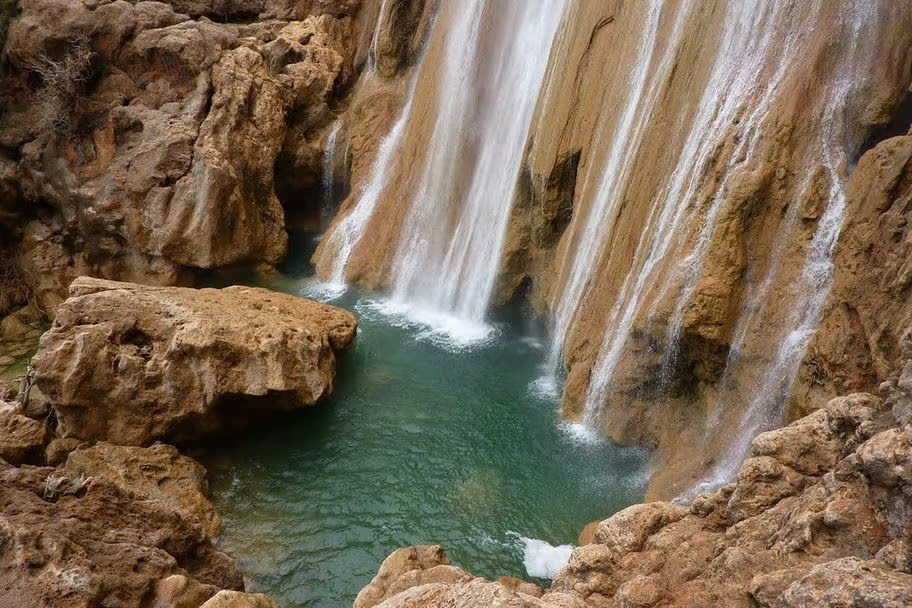
The Imouzzer waterfalls are at their best from November to April and a trickle the rest of the year — here's what we tell guests before they book, plus the honest case for going anyway.

Discussie
Deel je ervaring, stel een vraag of corrigeer ons — we lezen elke reactie.
Wees de eerste die zijn mening over dit artikel deelt.