
The Imouzzer waterfalls are at their best from November to April and a trickle the rest of the year — here's what we tell guests before they book, plus the honest case for going anyway.
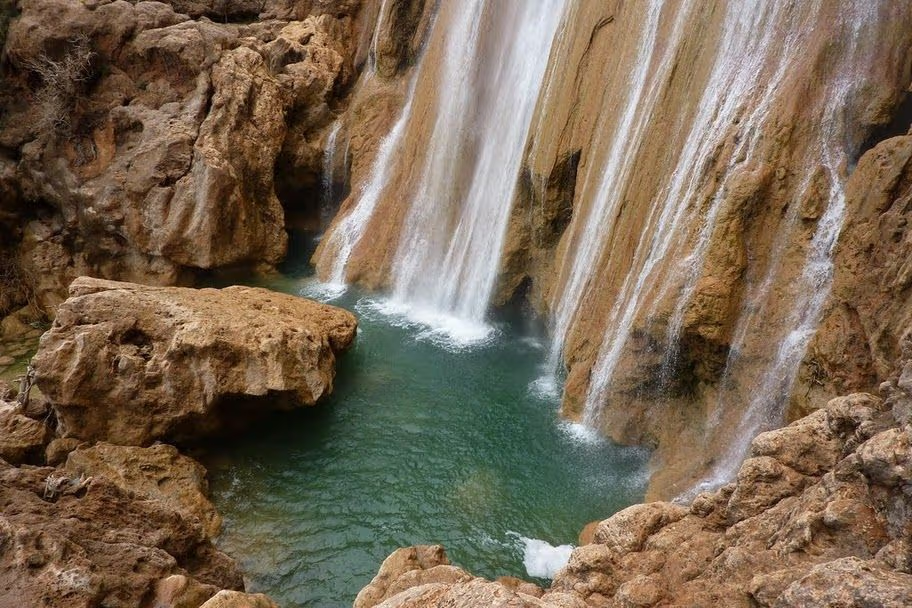
# Imouzzer Waterfalls from Agadir: The Honest Guide (and When There Is Actually Water)
Short answer: the Imouzzer waterfalls run at full force roughly November through April, right after the High Atlas gets its winter rain. From May to October the flow drops to a trickle, some dry years barely a dribble down the rock face by August, while the pools below stay cool enough for a swim regardless. We still send guests up there in summer. Just not for the waterfall photo — the drive, the argan cooperatives, and the cooler mountain air carry the trip on their own.
It depends entirely on when you're reading this. Imouzzer Ida Outanane sits at 1,200 metres in the High Atlas, about 60 km north-east of Agadir, and its cascades are rain-fed, not spring-fed like the pools at Paradise Valley down the road. When the Atlas gets its winter rain, the water shows up fast and heavy; when the rain stops, the flow tapers off over the following months.
| Months | Waterfall flow | Pools below |
|---|---|---|
| November – April | Full force — peak right after Atlas winter rain | Cold, bracing |
| May – October | Reduced to a trickle in dry years | Still cool and swimmable |
That table matches the broader climate picture for this part of Morocco: rainfall along the coast and into the Atlas foothills concentrates heavily in the winter half of the year, with the mountains acting as the region's water tower, feeding streams long after the rain has stopped (Encyclopedia of the Environment, "Morocco, a mosaic of climates"). That's the mechanism behind the trickle: no glacier, no year-round spring, just winter rain working downhill until it runs out.
We get the same question every July and August: is there water right now? Usually yes, in the sense that something is moving over the rock. Rarely is it the thundering cascade from the photo you found on Instagram, almost certainly shot in February or March.
This is the part worth knowing before you decide whether the trip is worth the drive in a dry month.
The rock face itself doesn't go anywhere. Drivers and guides here call it the petrified waterfall: a wide, ledged travertine wall, mineral-streaked and reddish, that looks frozen mid-cascade even bone dry. It photographs well with or without water, and most first-timers don't realize the "waterfall" is really this wall until someone points it out.
The drive in is arguably the main event. From Agadir the road climbs through Aourir and into the Ida Outanane hills, cutting through almond and argan groves with switchback views back down to the Atlantic. You'll pass goats standing in argan trees eating the fruit, which looks staged for tourists and mostly isn't. Villages along the route still press their own argan oil at home, and several run women's cooperatives you can visit, watch the process, and buy oil directly, generally cash only since the co-ops accept cards reluctantly. This is also honey country, and the town holds a Honey Festival most years in May or June if your dates line up.
There are also short hikes, one to three hours depending how far past the town you go, through terrain that stays scenic whether the cascade is roaring or down to a whisper.
Imouzzer and Paradise Valley sit about 35 km apart on the same northbound mountain road, which is why nearly every full-day itinerary out of Agadir treats them as a pair rather than picking one. The order matters and it isn't arbitrary.
Paradise Valley goes first, in the morning, while the light is good for photos and before the day heats up. Its pools are spring-fed and swimmable most of the year, so it's the safer bet for a mid-morning dip regardless of season, and swimming on a full stomach after lunch is never a great idea anyway. From there the road continues toward Imouzzer, gaining altitude, and by afternoon you're 5 to 10°C cooler than Agadir was at breakfast, exactly when you want to be climbing rather than sitting in valley heat. Lunch happens somewhere in between, often at a village cooperative or a roadside spot with a view back down the gorge.
Here's the honest caveat: our current fixed full-day departures pair Paradise Valley with the Tamri coast in the afternoon (sandboarding and a wild beach lunch, or the Tamri dunes with a tajine lunch), not with Imouzzer. Both are worth doing, they're just a different direction: back toward the Atlantic, not further into the mountains. If Imouzzer specifically is the point of your day, say so when you book and we'll build the loop above as a private full day instead.
We'll say this plainly because most listings won't: the road above Aourir is proper mountain driving. Switchbacks, blind corners, occasional goat traffic, and a final stretch to the cascades trailhead that self-drivers describe as fine if you're used to mountain roads and unpleasant if you're not. Self-driving is doable. It is not the relaxing option.
If anyone in your group gets carsick on winding roads, put them up front next to the driver, not in the third row, and have them eat lightly beforehand rather than skip breakfast entirely (empty stomachs handle switchbacks worse, not better, in our experience). We've had guests who were fine on the flat coastal road to Taghazout turn distinctly green by the second hour of Atlas hairpins, and a window seat with a clear sightline usually helps more than motion sickness tablets bought last minute. If this sounds like you, mention it when you book so we can seat you accordingly.
Here's what's actually bookable today, with real prices, not estimates.
| Trip | What it covers | Duration | Price |
|---|---|---|---|
| Half-Day Paradise Valley | Paradise Valley pools only, from Agadir or Taghazout | 5 hours | 212 MAD (~€20) |
| Atlas Mountains Quad Biking | Quad biking through the Atlas foothills near Imouzzer | 2 hours | From 430 MAD (~€40) |
| Full-Day Paradise Valley & Sahara Dunes with Lunch | Paradise Valley + Tamri dunes, wild beach, tajine lunch | 9 hours | 807 MAD (~€75) |
| Full-Day Paradise Valley & Sandboarding with Lunch | Paradise Valley + Atlantic dune sandboarding, lunch | 10.5 hours | 1,022 MAD (~€95) |
EUR figures are approximate conversions, not fixed listing prices, so treat them as a rough guide rather than what you'll be charged.
If you're short on time and want a swim, book the half-day Paradise Valley trip and skip Imouzzer entirely. If you've got a full day and want dunes, sandboarding, and a beach, the two Tamri combo products are good value at those prices and we run them constantly. If a big, roaring waterfall is the actual point, check your dates against November to April before building your itinerary around it. Visiting June through September, go for the argan cooperatives and the cooler air, and expect a trickle rather than the postcard shot.
Don't book the cascade-focused version if switchback roads worry you, or if a near-dry "waterfall" in August would ruin your day. Both are fair reasons to stick with Paradise Valley alone, or swap Imouzzer for a beach day instead.
Argan is why these hillsides look the way they do and why the cooperatives exist at all: the argan forest across this region was recognized by UNESCO as Morocco's first Biosphere Reserve in 1998, covering roughly 2.5 million hectares and supporting several million residents through herding, agriculture, and argan oil production (UNESCO Man and the Biosphere Programme, Arganeraie Biosphere Reserve). The cooperatives you'll stop at on the Imouzzer road are one small, visible piece of that economy.
For the full Paradise Valley write-up, including its own seasonal pool depths and self-drive logistics, see our Paradise Valley from Agadir guide. You can also browse our full destination page for Imouzzer Waterfalls, the Paradise Valley destination page, or the wider day trips we run out of Agadir.
Yes, but how much depends on the month. Full force runs roughly November to April, right after the High Atlas gets its winter rain. May through October the cascade reduces to a trickle, sometimes close to dry by late summer in low-rain years, though the pools below stay cool enough to swim in either way. If you want the dramatic version for photos, aim for December through March.
Yes, and it's the most common way people see both. They're about 35 km apart on the same northbound road, and the usual order is Paradise Valley in the morning for a swim, then Imouzzer in the afternoon once the day has warmed up, since it sits at 1,200 m and runs noticeably cooler. Our fixed full-day products currently pair Paradise Valley with the Tamri coast instead, so for the Imouzzer version specifically, ask us to arrange a private full day.
Paradise Valley is a palm-grove gorge with deep, clear, spring-fed swimming pools and an easy 15 to 20 minute hike in. Imouzzer is a mountain town with an actual waterfall, argan cooperatives, and a more cultural feel, plus a noticeably cooler climate thanks to the altitude. If you want a swim above all else, pick Paradise Valley. If you want the cascade, the argan cooperatives, and cooler air, pick Imouzzer, keeping the seasonal water levels in mind.
It's doable if you're comfortable with mountain switchbacks, blind corners, and the occasional goat in the road. The final stretch to the trailhead is the steepest part. If you'd rather not navigate that yourself, or anyone in your car gets carsick on winding roads, a guided tour with hotel pickup removes the problem and costs a fraction of a rental car plus fuel plus your own nerves.
Real, and a little ethically grey at the same time. Argan goats do climb the trees on their own to eat the fruit, but in the more touristed spots, farmers sometimes coax them up and hold them there for tips. Ask your guide which stops are natural versus staged. The honest ones tend to be further inland, past the second village, away from the roadside photo-op setups.
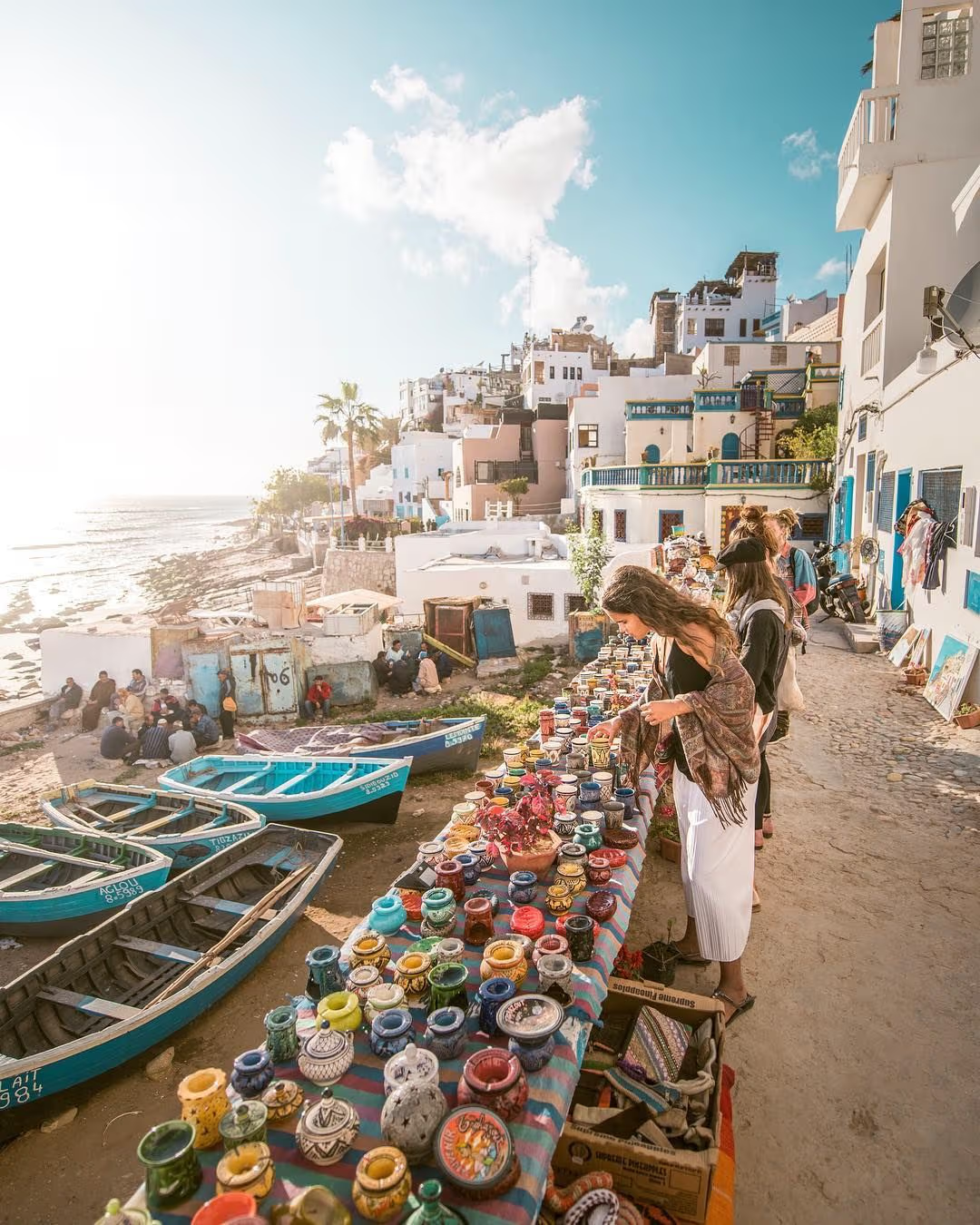
From surf breaks and sandboarding to Paradise Valley waterfalls and smoky lamb tagine, this guide covers everything you need to make the most of Morocco's sunniest coast.
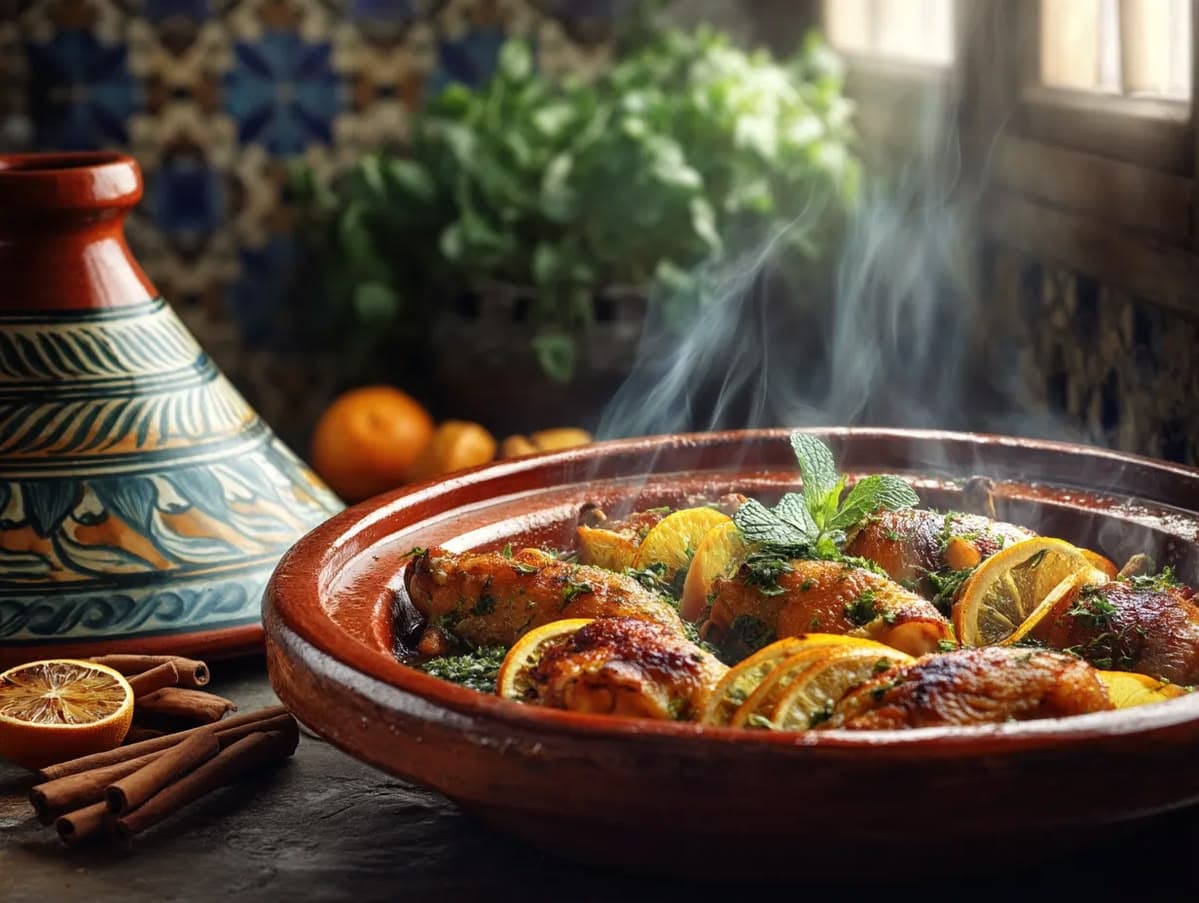
Forget restaurant guides. Here's how we actually eat in Agadir and Taghazout: fish by weight at the port, souk stalls for breakfast, and what a tagine should really cost.
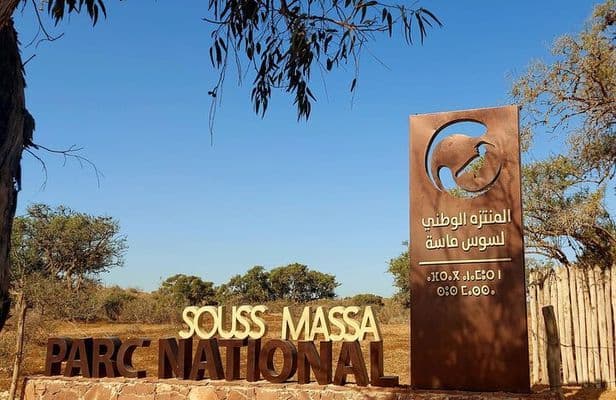
South of Agadir, Souss-Massa National Park protects one of the rarest birds on the planet alongside flamingos, gazelle, and a reintroduction program for desert antelope. Here's what an honest visit looks like, guide included.

Discussie
Deel je ervaring, stel een vraag of corrigeer ons — we lezen elke reactie.
Wees de eerste die zijn mening over dit artikel deelt.