Agadir
Is Agadir Safe? An Honest Local Answer
Yes, Agadir is one of the safer cities in Morocco for tourists — here's what we actually tell our guests about crime, solo travel, driving, and the water, based on running tours here since 2018.

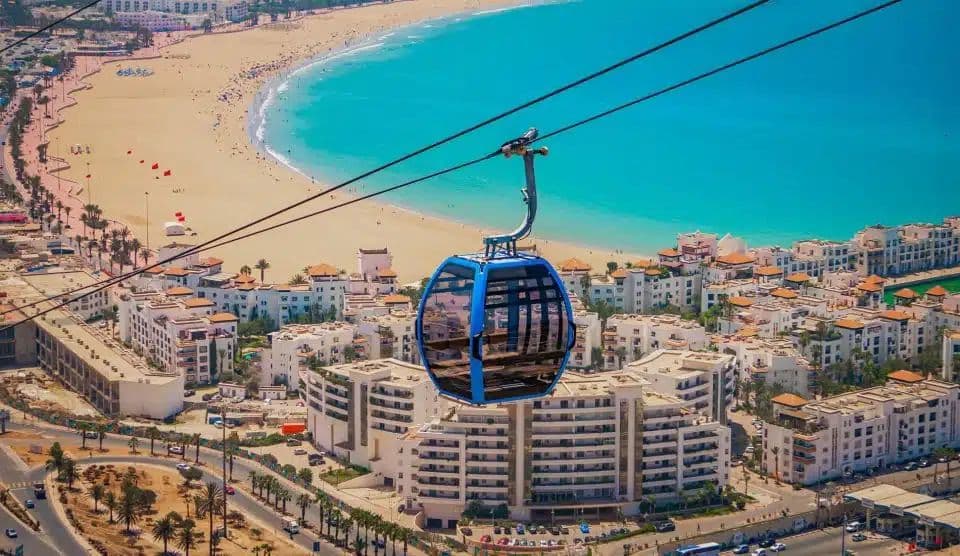
Yes — Agadir is one of the safer cities in Morocco for tourists, and genuinely one of the more relaxed places in the country to walk around. That's the honest short answer. But "is it safe" is really several separate questions — about crime, about solo travel, about roads, about the water — and a one-word answer to all of them would be doing you a disservice. Here's what we tell our own guests, based on running tours here since 2018, not a generic travel-blog checklist.
The Short Answer
Agadir is a modern, planned city (rebuilt after a 1960 earthquake) with wide boulevards, a strong tourism-police presence, and a local economy that depends heavily on visitor spending — all of which make it noticeably calmer than the medina cities. Violent crime against tourists is rare. The realistic risks are the same as any beach resort city worldwide: petty theft in crowded areas, overpricing if you don't agree costs upfront, and standard road-safety awareness. Nothing here should stop you from visiting; it just deserves the same common sense you'd use in Barcelona or Lisbon.
Walking Around Agadir
The Front de Mer (beachfront promenade) and the main tourist zones are patrolled and well-lit, comfortable to walk day or night. Souk El Had, the main market, is busy and safe but exactly the kind of crowded space where you should keep bags zipped and phones out of back pockets — the same rule as any busy market anywhere in the world. Away from the tourist areas, in residential districts like Talborjt or the industrial port zone at night, exercise the ordinary caution you'd use in an unfamiliar part of any city — not because anything specific happens there, but because it's simply less lit and less trafficked by other tourists.
Solo Female Travelers
Agadir handles this noticeably better than Morocco's more conservative interior cities. It's a beach resort town used to Western dress and independent travelers, and solo women are a completely normal sight on the Front de Mer, in cafés, and on organized tours. That said, some basics apply everywhere in Morocco: a confident, "don't-engage" response to unwanted attention works better than politeness, a modest cover-up when leaving the beach reduces unwanted attention noticeably, and sticking to well-lit, populated streets at night is just sensible anywhere. Taghazout, the surf village 20 minutes north, has an even more established solo-traveler and female-traveler community thanks to its international surf culture.
Money, Taxis & Common Tourist Scams
The most common "safety" issue in Agadir isn't crime — it's overpaying. Agree the price before you get in a taxi or accept a service, whether that's a grand taxi to Taghazout or a "helpful" unofficial guide in the souk who offers to show you around. Legitimate guides work through registered agencies or hotels; anyone approaching you unprompted in the street with a special "friend price" is the one situation worth a polite but firm "no thank you." None of this is dangerous, just occasionally annoying — treating unsolicited offers with the same skepticism you'd use at home solves 90% of it.
Swimming & Beach Safety
Agadir's main beach is patrolled by lifeguards in the central tourist zone during the day, and it's genuinely one of the calmer stretches of Morocco's Atlantic coast — a long, gently sloping sandy beach without the rip currents that make some Moroccan and Taghazout-area breaks dangerous for casual swimmers. Flags indicate swimming conditions; respect the red flag days, which do happen, especially in winter swell season. If you're planning to surf rather than swim, that's a different risk profile — take a proper lesson rather than paddling out solo on an unfamiliar break.
Food & Water
Tap water in Agadir's hotels and restaurants is treated, but most visitors (and locals in tourist areas) stick to bottled water as standard practice, which is widely available and cheap. Street food and market food are generally safe if you follow the usual travel rule: eat where there's a visible turnover of customers, and be a little more cautious in the first few days as your system adjusts to different food, not because anything is actually unsafe.
Driving & Road Safety
This is honestly the area that deserves the most real caution. Moroccan road safety statistics are worse than most of Europe — driving styles are more assertive, lane discipline is looser, and rural roads (including the route to Paradise Valley or into the Atlas) can be narrow with sharp turns and minimal barriers. If you're not used to this style of driving, a guided tour with a local driver genuinely reduces risk rather than being a mere convenience — this is the one area where "book a tour instead of self-driving" is a safety recommendation, not just a comfort one.
Health & Travel Insurance
No mandatory vaccinations are required for Morocco from most countries (check your specific origin with a travel clinic). Standard travel insurance covering medical evacuation is worth having, as with any international trip — private clinics in Agadir are good, but serious cases may require transfer to Casablanca or home. Pharmacies (identified by a green cross) are plentiful and pharmacists are generally well-trained and helpful for minor ailments.
What About the Wider Region?
Agadir, Taghazout, and the Souss-Massa region have not experienced the kind of unrest or terrorism incidents that occasionally make international headlines about other parts of the world — Morocco overall has a stable government and a tourism-dependent economy that actively prioritizes visitor safety. As with travel anywhere, check your government's current travel advisory before departure, more as a formality than because of any specific regional concern.
Часто задаваемые вопросы
Is Agadir safe at night?
Yes, in the main tourist areas and along the Front de Mer, which stay lit, patrolled, and busy well into the evening. Use the same judgment you would in any city: stick to populated, well-lit streets, and take a taxi rather than walking long distances through unfamiliar residential areas late at night.
Is Agadir safe for solo female travelers?
Yes — it's one of the more comfortable Moroccan cities for solo women, thanks to its resort-town culture and international visitor base. Standard precautions (confident responses to unwanted attention, modest dress away from the beach, well-lit streets at night) apply, same as most destinations worldwide.
Do I need to worry about theft in Agadir?
Petty theft (pickpocketing in crowded markets, opportunistic bag-snatching) is the realistic risk, not violent crime. Keep bags zipped and in front of you in crowded areas like Souk El Had, and use hotel safes for passports and extra cash rather than carrying everything at once.
Is the water safe to drink in Agadir?
Tap water is treated, but bottled water is the standard practice for visitors and cheap to buy everywhere. This is more about digestive adjustment to a new water supply than any actual safety issue.
Is it safe to drive yourself in Agadir and the surrounding region?
It's more demanding than driving in most of Europe or North America — assertive local driving styles, less-marked rural roads, and narrow mountain routes (like the road to Paradise Valley) are the main factors. Many visitors choose a guided tour with a local driver for exactly this reason, especially for excursions outside the city.
Читать дальше
 Agadir
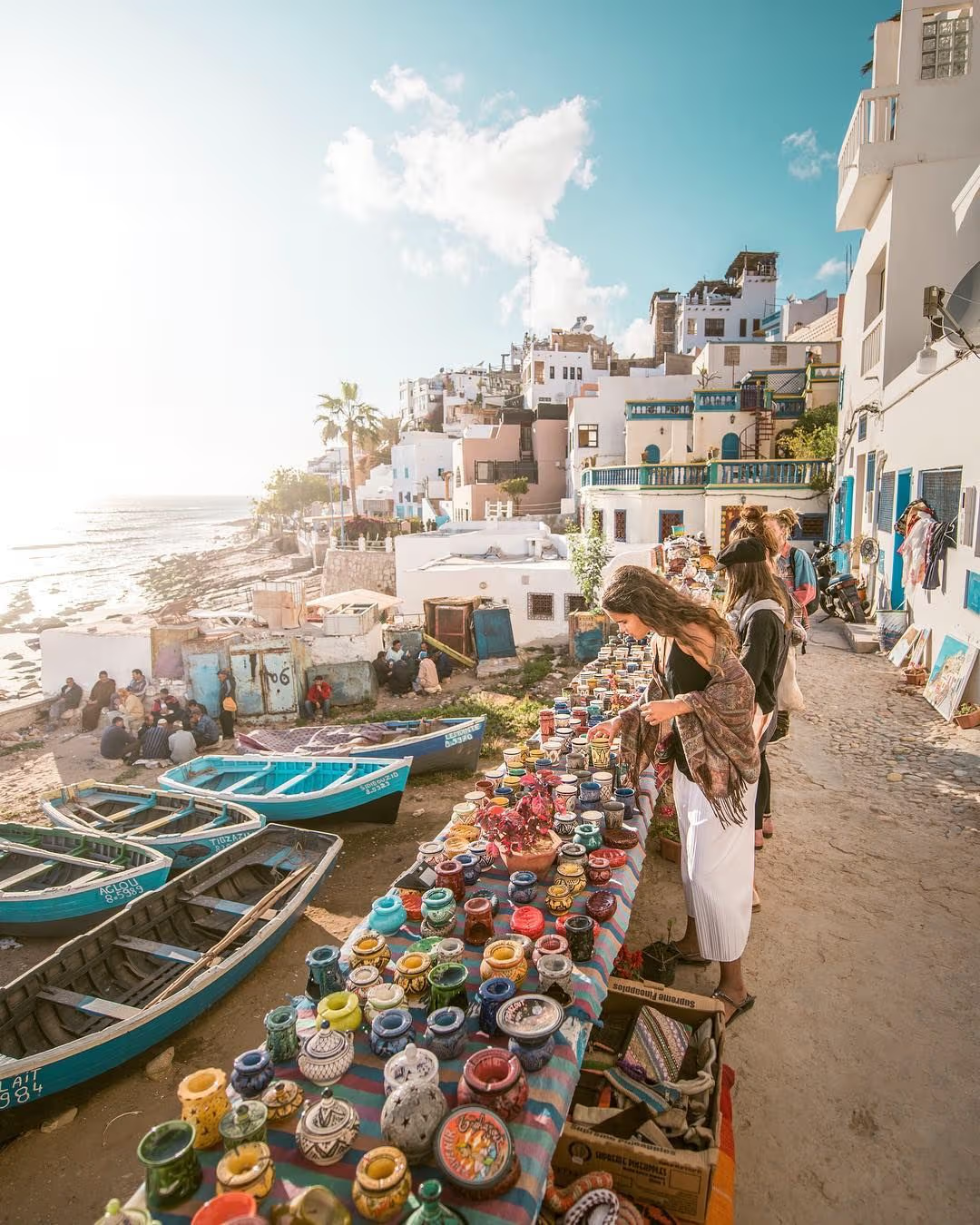
Things to Do in Agadir & Taghazout: The Ultimate Guide
From surf breaks and sandboarding to Paradise Valley waterfalls and smoky lamb tagine, this guide covers everything you need to make the most of Morocco's sunniest coast.
 Agadir
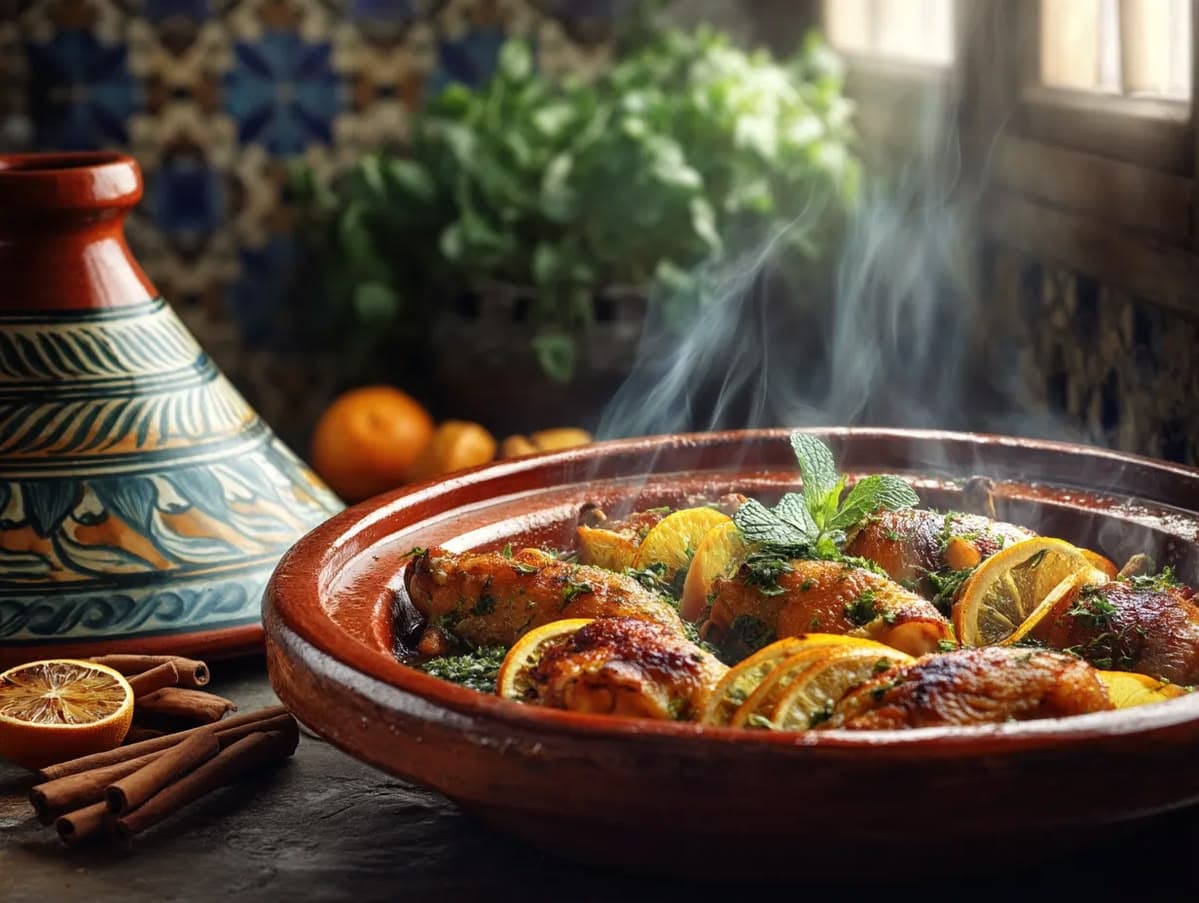
Where to Eat in Agadir & Taghazout: What Locals Actually Order
Forget restaurant guides. Here's how we actually eat in Agadir and Taghazout: fish by weight at the port, souk stalls for breakfast, and what a tagine should really cost.
 Agadir
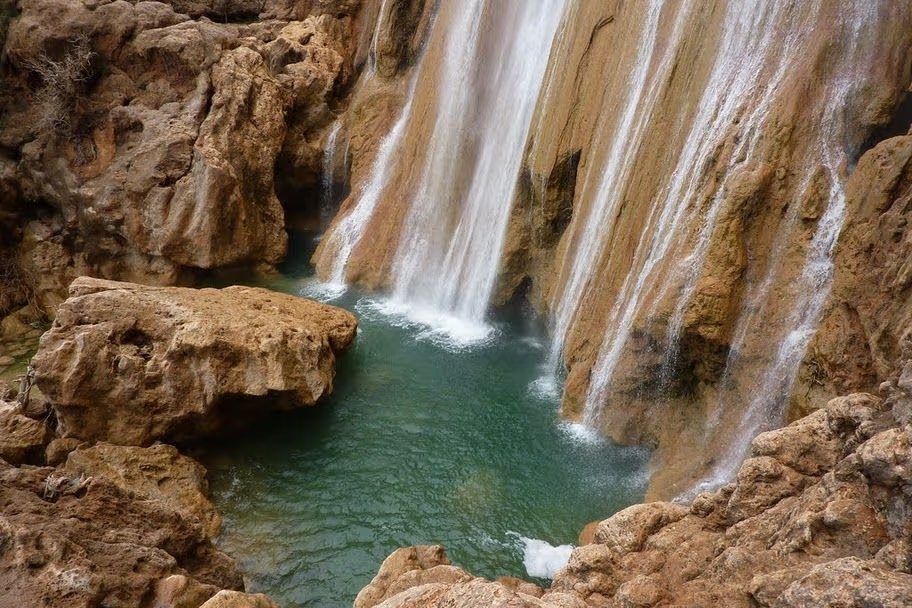
Imouzzer Waterfalls from Agadir: The Honest Guide (and When There Is Actually Water)
The Imouzzer waterfalls are at their best from November to April and a trickle the rest of the year — here's what we tell guests before they book, plus the honest case for going anyway.
Обсуждение
Поделитесь опытом, задайте вопрос или поправьте нас — мы читаем каждый комментарий.
Будьте первым, кто поделится мнением об этой статье.