
Where Agadir's camel rides really take place, what the 484 MAD sunset BBQ evening includes, and an operator's honest answer to whether camel riding is ethical in Morocco.
# Camel Ride in Agadir: Sunset, BBQ & the Honest Ethics Answer
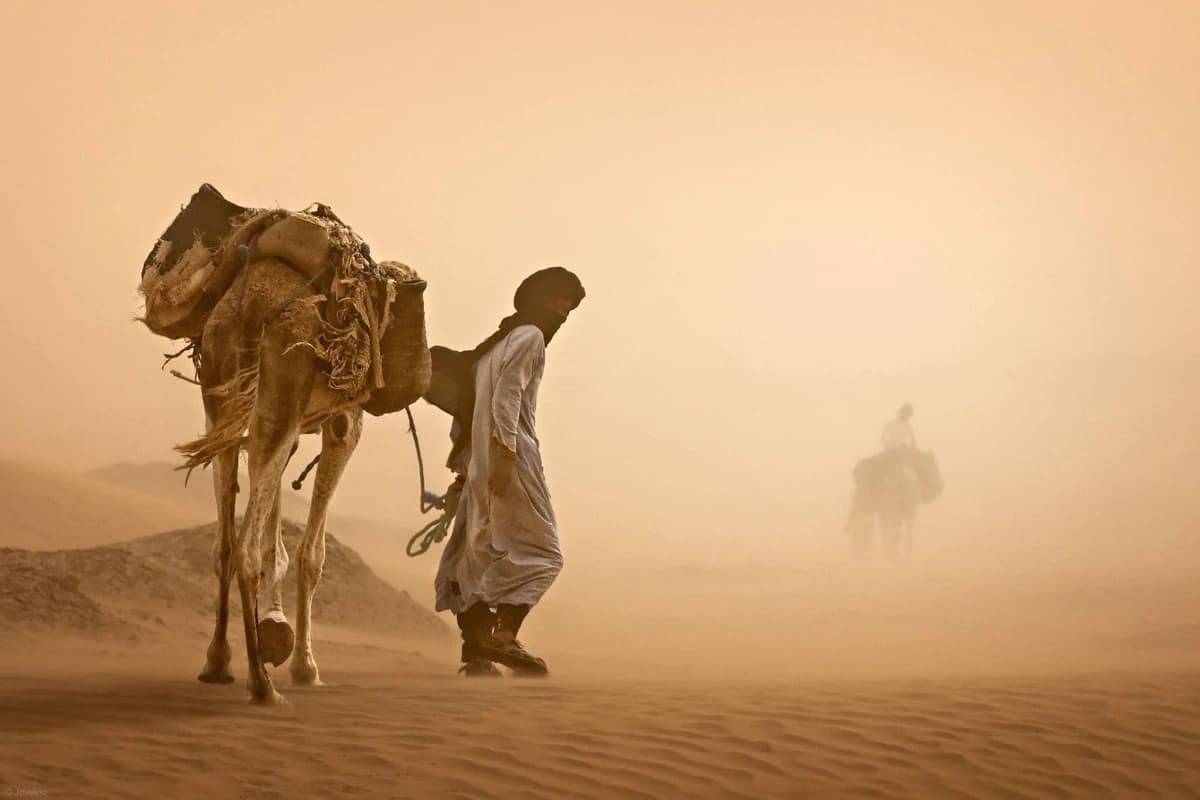
Camel rides around Agadir happen in two real places, not one. Our sunset ride heads north to Tamri's river-mouth beach past Taghazout, and our sandboarding combo rides the dune belt near Aghroud, further up the coast. We run the Tamri evening several times a week: a 3.5-hour loop that ends with a beach barbecue as the sun drops into the Atlantic, from 484 MAD (~45 EUR) per person. Camel riding has a genuine welfare problem in parts of the world, so we'd rather answer that directly than dodge it, which is most of what this guide is about.
Picture one camel on Agadir's main beach and you're seeing a third of the picture. There are three tiers of camel experience here, and they aren't interchangeable.
Independent handlers work the promenade near the marina, offering five-to-fifteen-minute walk-up rides for cash. No booking, no fixed price, and no welfare oversight beyond the individual handler. We don't run that end of things; it's the segment where treatment varies most.
Our Sunset Camel Ride, BBQ & Music Show departs for Tamri, a small river-mouth town known for its banana plantations, reached by driving up the coast through Tamraght and Taghazout. The sandboarding combo's camel leg happens somewhere else: the dune belt near Aghroud, north of Agadir on the coast road, not inland toward the Sahara.
The 484 MAD (~45 EUR) price covers free hotel pickup and drop-off from Taghazout, Tamraght, Paradis Plage, Aourir, or the Agadir Cruise Port area, the camel ride, dinner, and all fees and taxes. Soda isn't included, so bring a few dirhams if you want one with your meal.
After pickup, the drive winds north through Tamraght and Taghazout before the group mounts up and rides through banana fields toward Tamri Beach. Handlers dress riders in traditional nomad clothing for the walk down, which makes for better photos. The ride ends with sunset over the Atlantic, then a barbecue: grilled meats, fresh salads, and traditional Moroccan dishes, with a vegetarian option (ask ahead if you need vegan, since the listing only confirms vegetarian).
The "music" in the name is a low-key session around the fire once plates are cleared, not a staged concert; come for the sunset and the barbecue and treat the music as a bonus. Groups top out at 15, ages 2 to 99 are welcome, guides work in German, Arabic, English, and French, and it isn't wheelchair accessible. Cancel more than 24 hours out for a full refund.
There's no bare "camel ride only" package on our books, and that's deliberate. A five-minute cash ride with no meal, no transfer, and no accountability is precisely the version of this activity where welfare corners get cut, so we build the ride into a longer, supervised evening or day instead.
| Experience | Duration | Where it happens | What's included | Price per person |
|---|---|---|---|---|
| Sunset Camel Ride, BBQ & Music | 3h 30m | Tamri Beach & river mouth, coast road north of Taghazout | Hotel transfer, camel ride through banana fields, sunset, BBQ dinner, fireside music | 484 MAD (~45 EUR) |
| Sandboarding & Sunset Camel Ride with BBQ | 5h | Aghroud dune belt, ~70 km / 90 min north of Agadir | Hotel transfer, sandboarding gear & guide, camel ride, BBQ dinner, mint tea & water | 690 MAD (~64 EUR) |
| Independent beach handlers | 5–15 min | Agadir's city beach promenade | Cash photo-op ride only, no meal, no welfare oversight | Varies, cash haggle |
EUR figures are our own conversion at roughly 10.7 MAD per euro (July 2026); you pay the MAD price at checkout. Our breakdown of what Morocco day trips actually cost in 2026 covers how these prices compare across the region.
At 690 MAD for 5 hours against 484 MAD for 3.5, the combo earns its price difference if you want both activities in one day rather than splitting them across your trip. It includes sandboarding equipment and a guide, the camel ride, a BBQ dinner, and mint tea and water, with groups capped at 12.
It's also a longer, more physical day. Sandboarding means climbing dunes on foot between runs, and the listing doesn't specify an age range the way the flagship tour does. Given the hiking, we'd treat it as built for reasonably fit travelers rather than very young kids or anyone with limited mobility. For a fuller itinerary, our guide to things to do in Agadir and Taghazout covers how sandboarding, surfing, and day trips fit together.
Not automatically, and not automatically unethical either. It depends on the individual animal, the handler, and how hard that camel works in a given week. World Animal Protection points tourists toward operators with real animal welfare policies rather than hawkers working outside tourist sites, and that advice holds just as well on an Agadir beach as at Petra or Giza.
Look at the animal before the price. A well-treated camel has alert eyes and ears, moves without visible limping, and doesn't flinch or pull away when the handler approaches. You shouldn't see ribs, sores, or raw patches under the saddle straps, and it should be carrying one rider at a time, not stacked with extra passengers or heavy gear. There should be shade and water nearby, not just for photos, and the camel shouldn't be the only one working a queue of ten groups back to back through the hottest part of the day.
We ask our Tamri handlers to rotate camels through a working string rather than running the same animal group after group, with water and rest breaks between rides. A couple of seasons ago, one handler brought in an unfamiliar animal mid-week without telling us. Our guide noticed it wouldn't settle at the water trough and kept shifting oddly during loading, so we pulled it from that evening's group and rebooked the travelers waiting on it. We didn't use that animal again until the handler confirmed a proper rest rotation. That's the standard: if something looks off, the ride doesn't happen.
Say no to any operator, ours or otherwise, if a camel works through midday heat with no shade, if you see sores or a visibly thin frame, if the handler drives it on with a stick rather than a lead and voice commands, or if it keeps refusing to kneel or stand. None of those are one-off bad days. They're signs of an animal run past its limit.
Working Animals International, formerly SPANA, runs veterinary programmes for Morocco's tourism animals, including twice-yearly checks and registration bands for camels and horses working in tours and treks. Morocco doesn't strongly enforce welfare law for working animals, which is exactly why the choice of operator matters more here than the law does.
Wear closed-toe shoes or sandals with a back strap. Mounting and dismounting a kneeling camel means two sudden lurches, rear legs first, then front, and loose sandals tend to fly off. Bring sunscreen, a hat, and a light layer for after sunset, since the Atlantic wind picks up fast once the sun's down. Cash covers soda, tips, and extra drinks, none included in the base price.
The sunset ride welcomes ages 2 to 99, so young kids and grandparents both show up regularly. It isn't wheelchair accessible, and getting on and off asks for a moment of balance as the camel kneels and stands. If a bad back or mobility limitation makes that lurch risky, tell us before you book so we can talk through whether the evening works for you. The sandboarding combo is a different story: dune walking on foot makes it a harder fit for very young children or limited mobility than the flagship evening.
The timing does most of the work for you. The ride is built around reaching Tamri Beach as the sun drops, so you're shooting into golden light rather than fighting midday glare. Ask your handler for a brief stop near the shoreline; a still camel gives a sharp silhouette, where a moving one gives blur. The banana-field approach catches warm side-light earlier on, so don't save every shot for the beach.
Skip it if you're morally opposed to riding any animal regardless of treatment. That's a legitimate position, and we'd rather you book our day trips from Agadir and Taghazout for something that doesn't involve an animal than sit through a ride you'll resent. Skip it too if mounting a camel isn't advisable for a health reason, if you need a confirmed vegan meal rather than vegetarian, or if your schedule can't stretch to an evening slot, since this runs around sunset, not midday. For every other version of "should I do this," browse our full Agadir tours lineup against what else fits your week.
Our sunset camel ride with BBQ and music runs 484 MAD (~45 EUR) per person for 3.5 hours. The sandboarding and camel ride combo is 690 MAD (~64 EUR) for 5 hours. Independent beach handlers charge cash and vary widely, with no fixed price or oversight.
It depends on the individual animal and operator, not the activity itself. Look for alert, healthy-looking camels with visible access to shade and water, and handlers who rotate animals instead of running the same one all day. World Animal Protection and Working Animals International (formerly SPANA) both work on improving welfare standards for tourism animals in Morocco.
Our sunset BBQ ride happens at Tamri, a river-mouth beach town north of Taghazout. The sandboarding combo's camel leg happens separately, in the dune belt near Aghroud further up the coast. Independent short rides also happen on Agadir's own city beach.
The full experience runs 3 hours 30 minutes door to door: hotel pickup, the drive to Tamri, the camel ride through the banana fields, sunset on the beach, and the barbecue. The sandboarding and camel ride combo runs longer, at 5 hours, since it adds a separate activity.
Yes, the sunset ride is open to travelers aged 2 to 99, though it isn't wheelchair accessible and mounting requires a brief moment of balance. The sandboarding combo involves more walking in the dunes, so we'd steer very young children or limited-mobility travelers toward the flagship evening instead.
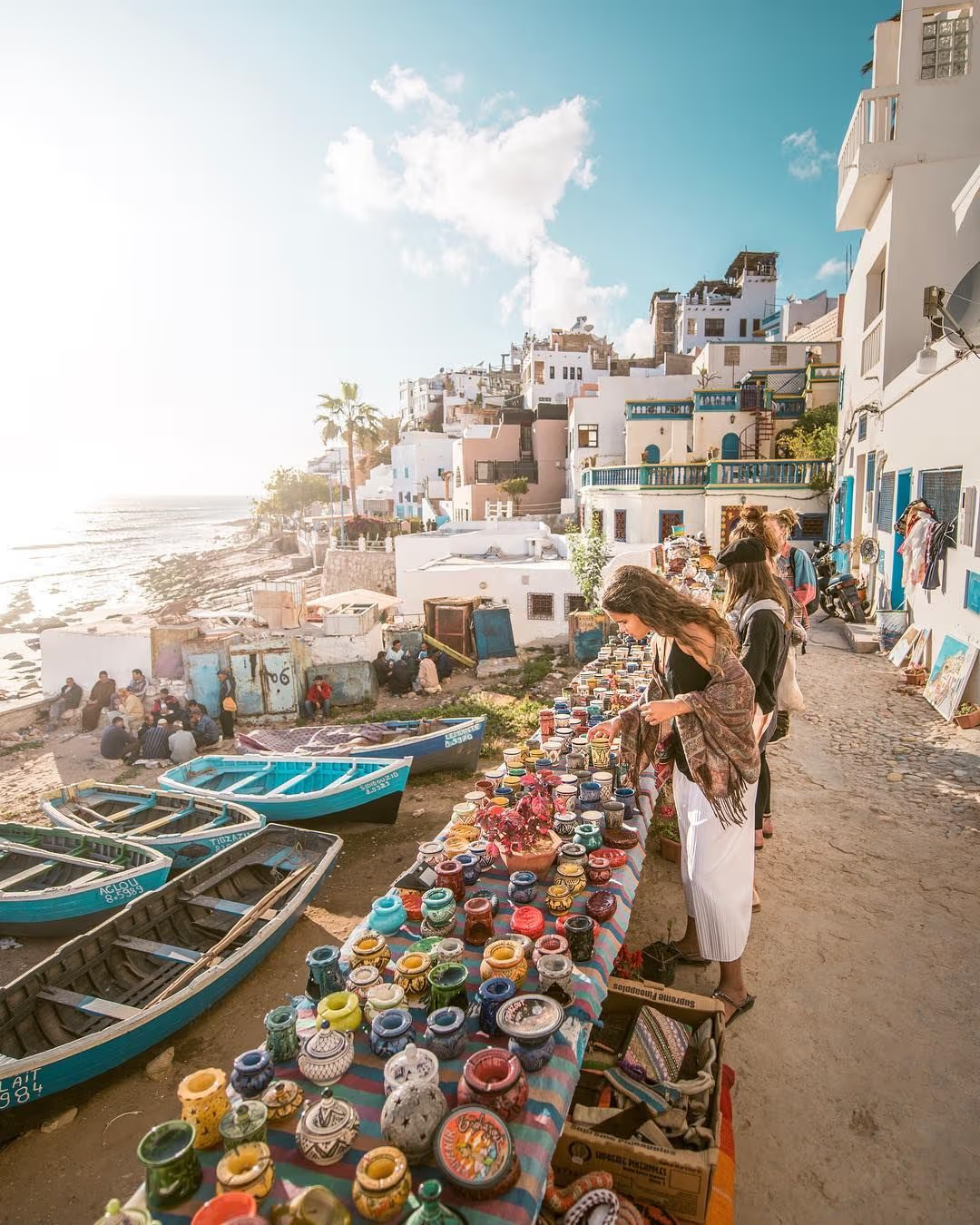
From surf breaks and sandboarding to Paradise Valley waterfalls and smoky lamb tagine, this guide covers everything you need to make the most of Morocco's sunniest coast.
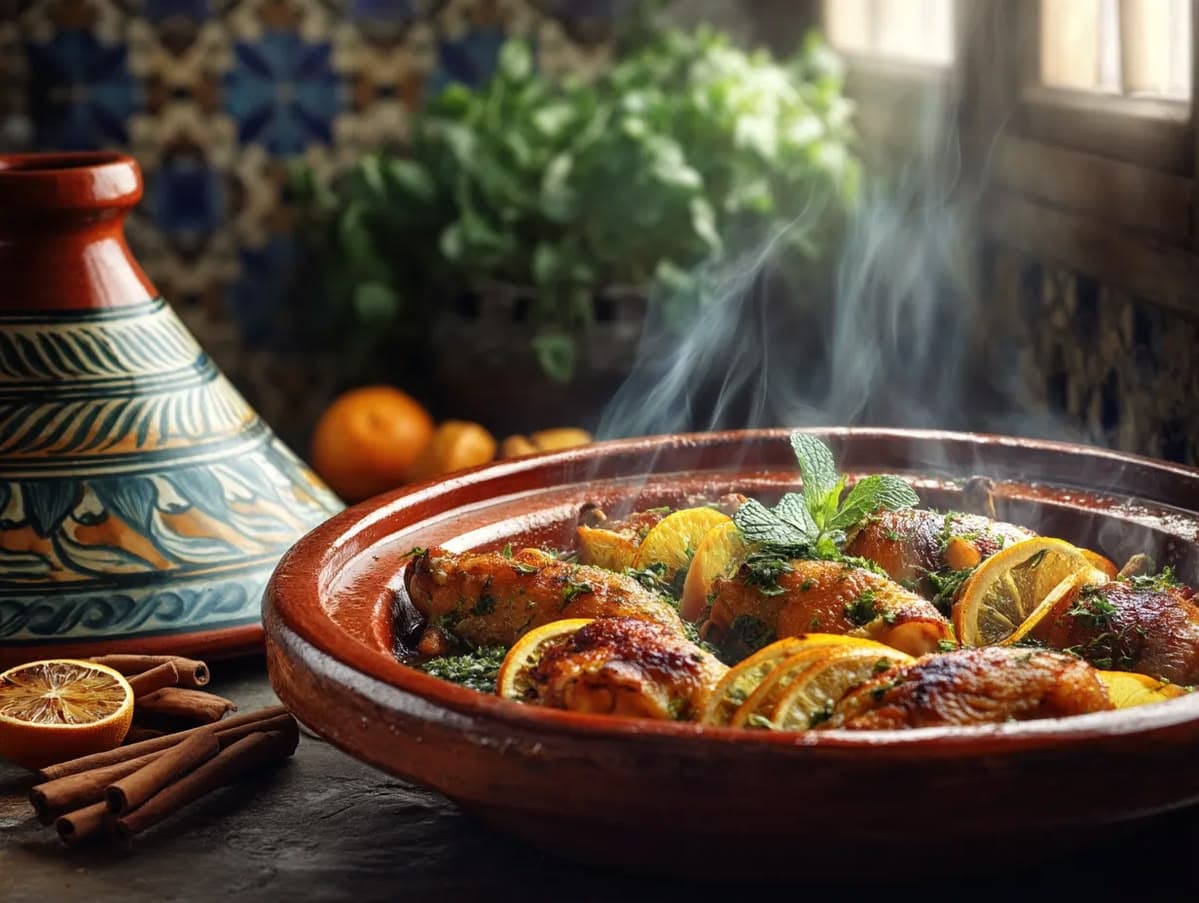
Forget restaurant guides. Here's how we actually eat in Agadir and Taghazout: fish by weight at the port, souk stalls for breakfast, and what a tagine should really cost.
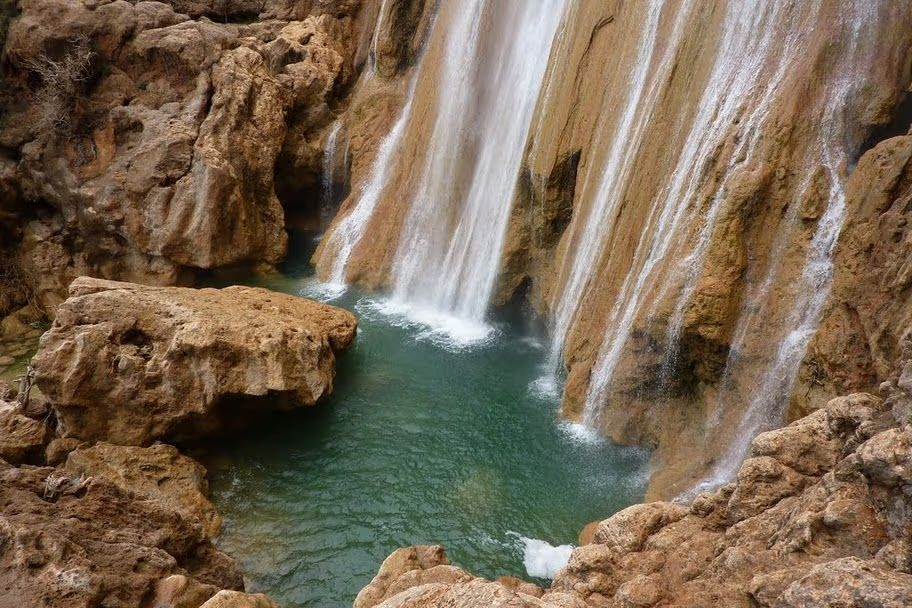
The Imouzzer waterfalls are at their best from November to April and a trickle the rest of the year — here's what we tell guests before they book, plus the honest case for going anyway.

Обговорення
Поділіться досвідом, поставте запитання або виправте нас — ми читаємо кожен коментар.
Будьте першим, хто поділиться думкою про цю статтю.