Agadir
Things to Do in Agadir & Taghazout: The Ultimate Guide
From surf breaks and sandboarding to Paradise Valley waterfalls and smoky lamb tagine, this guide covers everything you need to make the most of Morocco's sunniest coast.

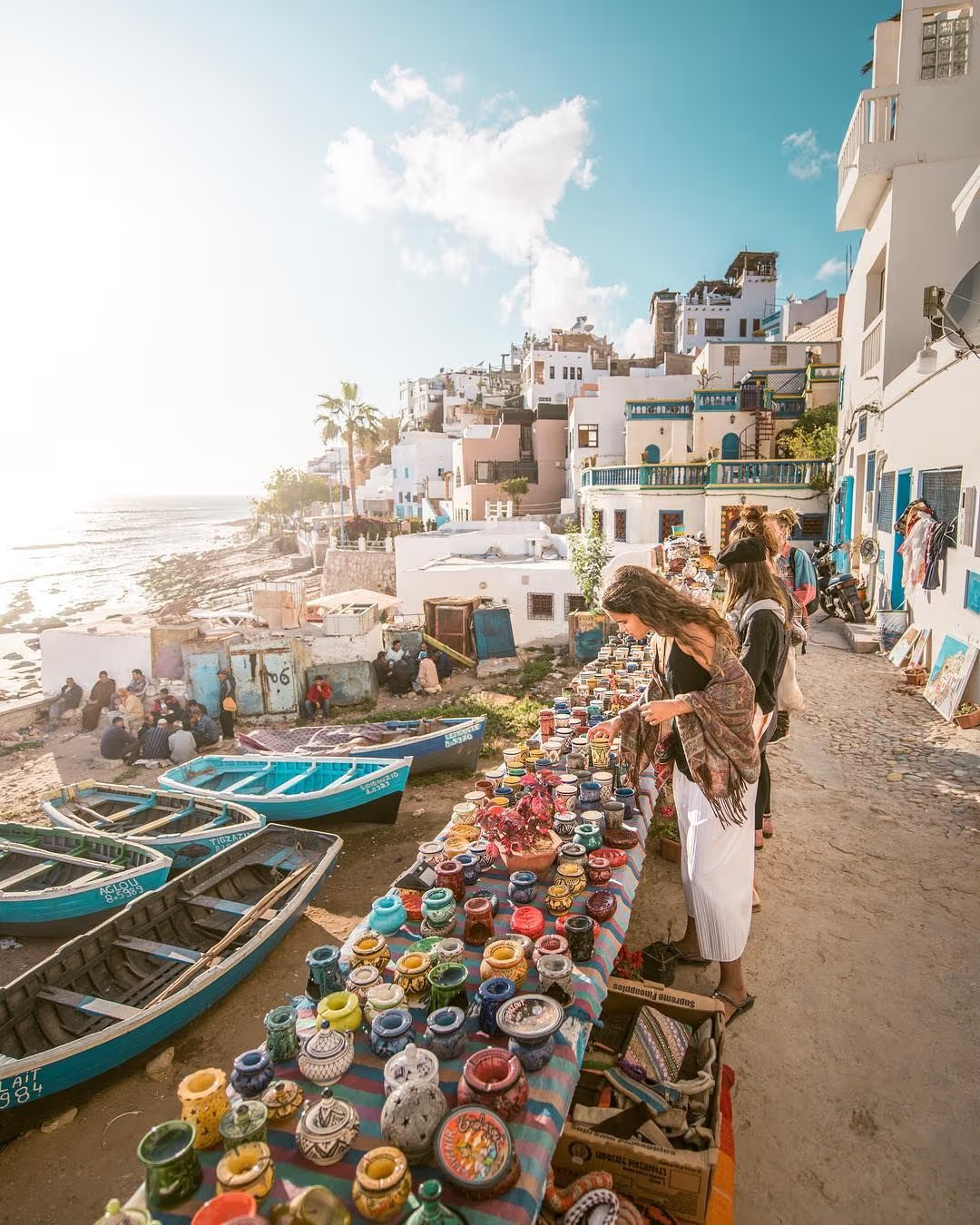
Agadir sits on one of the most privileged stretches of the Atlantic coast: 300+ days of sunshine a year, a 10-kilometre arc of fine sand, and the surf village of Taghazout just 20 minutes up the road. Whether you have three days or three weeks, this corner of southern Morocco rewards every kind of traveller — the wave-chaser, the culture-seeker, the family looking for something beyond a beach resort (see our Agadir with kids guide if that's you).
This guide is your complete playbook. We've organised it by experience type so you can build an itinerary that actually fits how you travel.
What Are the Best Things to Do in Agadir & Taghazout?
The best things to do in Agadir and Taghazout range from riding Atlantic waves and sandboarding desert dunes to hiking jungle-green gorges and eating your way through medina souks. The region packs beach, mountain, desert and culture into a surprisingly compact area — most top experiences are within 90 minutes of your hotel.
Beaches & the Atlantic Coast
Agadir Beach (Plage d'Agadir) is the anchor. The promenade stretches for kilometres, lined with sunbeds, argan oil vendors and beach football games that go on until dark. The water is clean, the Atlantic swell is consistent but manageable, and lifeguards patrol during peak season.
Head north toward Taghazout and the vibe shifts immediately. The village clings to a rocky headland, its whitewashed houses stacked above the sea. The beaches here — Anchor Point, Hash Point, Panoramas — are legendary among surfers, but even non-surfers come for the atmosphere: fresh fish grills on the sand, fishermen mending nets, sunsets that turn the cliffs orange.
Tamraght (midway between Agadir and Taghazout) offers a quieter option with a long, almost empty beach and a growing cluster of surf schools.
Surfing in Taghazout
Taghazout is one of Africa's most celebrated surf destinations, drawing riders from Europe and beyond every winter. The swell runs from October to April; summer brings smaller, cleaner waves that are perfect for beginners.
Anchor Point is the headline break — a long right-hander that can hold waves up to 5 metres on big days. Hash Point and Panoramas are gentler and better suited to intermediate surfers. If you're a complete beginner, start at Banana Beach or the beach breaks south of Taghazout where the white water is forgiving.
Lesson packages from reputable schools typically include equipment, a rash vest, and a coach in the water with you. Most can be arranged directly from Taghazout village — or book a beginner surf lesson with our team.
Deciding where to base yourself for a surf trip? See our comparison of Taghazout vs Tamraght for a full breakdown of vibe, price and which beaches suit beginners.
Desert Adventures: Sandboarding & the Mini Sahara
You don't need to drive all the way to Merzouga to experience Saharan dunes. About 70 km north of Agadir — a 90-minute drive up the coast toward Aghroud — the Timlaline dunes (which we market as the 'Mini Sahara') offer golden sand rolling between the Atlantic cliffs and a hidden canyon. It's completely accessible as a half-day trip.
Sandboarding here is genuinely exhilarating — you strap a board to your feet and slide down steep dune faces, often faster than expected. No prior snowboarding experience needed; the guides adjust your technique on the first run and most people are flying by the third — see the half-day sandboarding experience for exact pricing and pickup details.
For a more immersive desert experience that combines dunes with a hidden canyon and a spectacular sunset, the dedicated sunset dunes and hidden canyon tour is hard to beat. This one runs late afternoon into the evening, so you arrive at the dunes with golden-hour light and leave under a sky full of stars.
Wondering how this "mini Sahara" compares to the real Erg Chebbi dunes near Merzouga? Our Sahara from Agadir: every option compared guide breaks down both, including cost and how many days each one actually takes.
Paradise Valley: The Hidden Oasis
About 60 km northeast of Agadir, a narrow road peels off the main highway and descends into a gorge so green and lush it barely feels like Morocco. Paradise Valley is a palm-filled canyon cut by the Tamraght river, dotted with turquoise natural pools fed by small waterfalls.
You can swim, jump off the rocks, picnic under the palms, or simply sit and watch the light filter through the date fronds. Local Berber families sell fresh-squeezed orange juice and argan oil by the roadside on the way in.
The half-day format works well — you're back in Agadir by early afternoon with plenty of day left. Book the half-day Paradise Valley tour directly, or see the full breakdown below.
For the full breakdown — cost, how to get there, and whether to go guided or self-drive — see Paradise Valley from Agadir.
If you have a full day rather than a half-day, Imouzzer Waterfalls sits 20 minutes further up the same mountain road — a cooler, higher-altitude cascade and argan-oil village that pairs naturally with Paradise Valley as a full-day loop.
Quad Biking in the Atlas Foothills
The terrain between Agadir and the High Atlas is spectacular quad country: dry riverbeds, argan forest tracks, Berber farming villages and red-rock ridgelines. Quad tours typically head into the foothills northeast of the city, where you'll follow quad tours on trails that a car simply couldn't reach. Most tours are suitable for beginners — the guides lead in convoy and the routes avoid anything genuinely technical. The views from the higher tracks across to the Atlantic are worth the dusty face alone.
Agadir City Highlights
The Kasbah & Cable Car
Agadir's original medina was destroyed in the 1960 earthquake, but the Kasbah on the hill above the city survived and offers the best panoramic view of the bay. The easiest way up is the cable car, which runs from the marina area and rewards you with a bird's-eye view of the entire coastline. Details on the cable car tour are here if you'd like to book ahead.
Souk El Had
Agadir's main market is one of the largest in Morocco. It's less touristy than Marrakech's souks and genuinely used by locals. Arrive in the morning for the freshest produce — mountains of saffron, piles of fresh dates, argan oil in every form, hand-woven baskets and leather goods. Bargaining is expected; start at roughly half the asking price.
The Marina & Nouveau Talborjt
The marina district feels almost European — boutiques, restaurants, a small yacht harbour. It's a pleasant evening walk. For more authentic street food, head to Nouveau Talborjt (the new medina built after the earthquake), where hole-in-the-wall cafés serve msemen (flatbread), harira soup and grilled sardines at very local prices.
Moroccan Food: What to Eat
Food is one of the great pleasures of any time in this region. Don't miss:
- Tagine: the slow-cooked clay-pot stew. Lamb with prunes and almonds is the local signature.
- Couscous: traditionally served on Fridays with seven vegetables. Look for home-cooking restaurants rather than tourist spots.
- Grilled fish: Agadir's port lands fresh catch daily — sea bass, dorade, and sardines are cheap and outstanding.
- Argan oil: drizzle amlou (argan oil, almond paste and honey) over bread at breakfast. It's the local equivalent of peanut butter and deeply addictive.
- Mint tea: poured from height for froth, sweetened generously. Refusing a second glass is mildly impolite.
If you'd like to learn how to cook what you've been eating, a morning cooking class is a lovely way to spend a few hours.
Day Trips Worth Taking
Essaouira (2.5 hours north) is the wind-swept medina city that feels like a Portuguese fishing village crossed with a Gnawa music festival. Its blue-and-white ramparts, fresh lobster restaurants and laid-back artisan scene make it a compelling contrast to Agadir's beach-resort energy — see the day trip to Essaouira for the full itinerary.
Souss-Massa National Park lies just south of Agadir and protects one of the last wild populations of the northern bald ibis, a critically endangered bird. The park also harbours flamingos, ospreys and the occasional wild boar. A guided wildlife safari here is a genuinely unexpected highlight.
When to Go
| Season | Weather | Best For |
|---|---|---|
| Oct – Apr | 18–24 °C, some rain | Surfing, hiking, cultural tourism |
| May – Jun | 22–28 °C, dry | Everything — the sweet spot |
| Jul – Aug | 28–34 °C, crowded | Beach holidays, families |
| Sep | 26–30 °C, quieter | Perfect all-rounder |
Agadir is genuinely pleasant year-round — even January rarely drops below 18 °C in the daytime. The main surf season runs October to April. If you're primarily here for waves, avoid July and August when the swell dies.
For a month-by-month breakdown of weather, sea temperature and crowd levels, see our full best time to visit Agadir guide.
Getting Around
- Within Agadir: petit taxis (red) are cheap and metered. Always insist the driver uses the meter.
- Agadir to Taghazout: shared grands taxis depart from the main taxi rank near Souk El Had — roughly 15 MAD per seat. Alternatively, most tour operators (including ours) offer pick-up from your hotel.
- Day trips: the easiest option is a guided tour with hotel transfer included. Renting a car gives flexibility but the road to Paradise Valley requires some confidence on narrow mountain roads.
- Airport: Al Massira Airport (AGA) is 25 km east of the city centre, about 30–40 minutes by taxi (fixed fare ~150 MAD).
Часті запитання
How many days do you need in Agadir?
Three to four days covers the city, a beach day, one desert excursion and one natural landmark like Paradise Valley. A week lets you add Taghazout, a surf lesson, Essaouira and some slower-paced exploring of the souks and food scene without rushing anything.
Is Taghazout good for beginner surfers?
Yes. While Taghazout is famous for expert breaks like Anchor Point, the nearby beach breaks at Banana Beach and Tamraght are ideal for beginners. Surf schools here are experienced with first-timers and most people stand up on their first or second lesson.
Is Agadir safe for tourists?
Agadir is considered one of Morocco's safest cities for tourists. The main beach and marina area have a visible security presence. Standard precautions apply: keep valuables out of sight, use registered taxis, and trust your instincts in crowded markets. For a more detailed, honest look at crime, solo travel and road safety, read Is Agadir Safe? An Honest Local Answer.
Can you visit Paradise Valley without a tour?
Yes — you can hire a grand taxi from Agadir for around 300–400 MAD return and negotiate a wait time. That said, a guided half-day tour adds useful context, arranges transport, and usually includes a light lunch or refreshments at the valley.
What currency is used and do places accept cards?
Morocco uses the Moroccan Dirham (MAD). Cards are accepted in hotels, larger restaurants and the marina area. Markets, street food stalls and petit taxis are cash-only. ATMs are widely available throughout central Agadir.
What language do people speak in Agadir?
The main languages are Darija (Moroccan Arabic) and Tachelhit (Berber/Tamazight). French is widely spoken in hotels, restaurants and with taxi drivers. English is common in tourist areas, surf schools and tour operators.
Читати далі
 Agadir
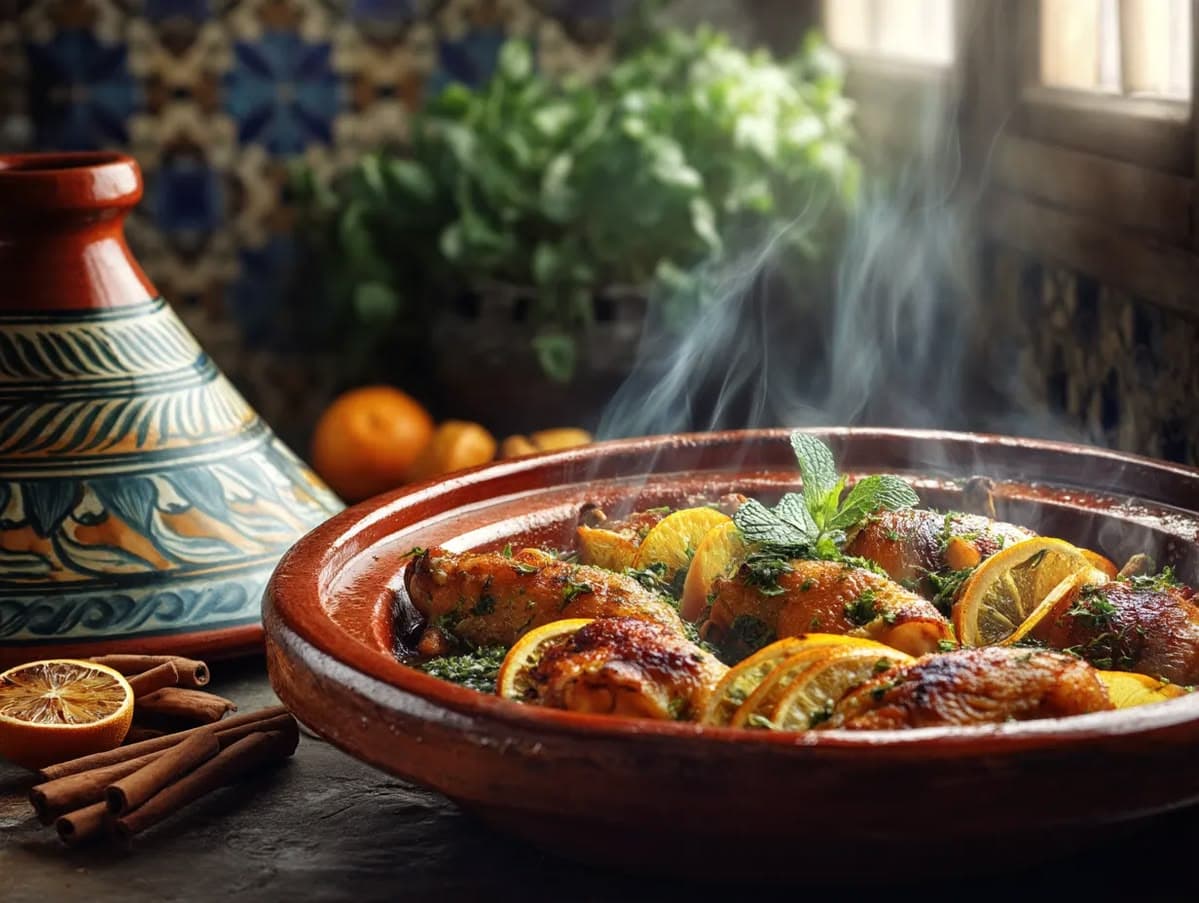
Where to Eat in Agadir & Taghazout: What Locals Actually Order
Forget restaurant guides. Here's how we actually eat in Agadir and Taghazout: fish by weight at the port, souk stalls for breakfast, and what a tagine should really cost.
 Agadir
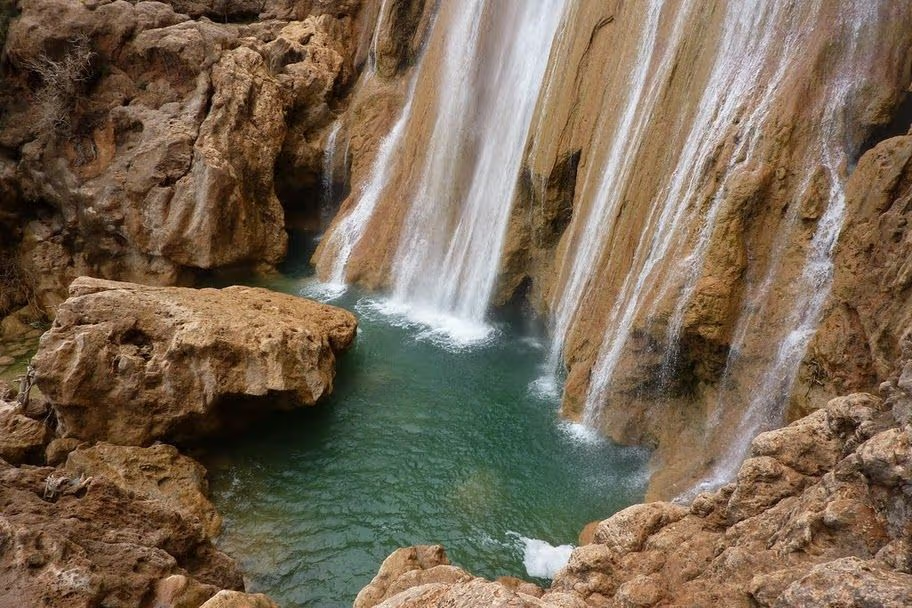
Imouzzer Waterfalls from Agadir: The Honest Guide (and When There Is Actually Water)
The Imouzzer waterfalls are at their best from November to April and a trickle the rest of the year — here's what we tell guests before they book, plus the honest case for going anyway.
 Agadir
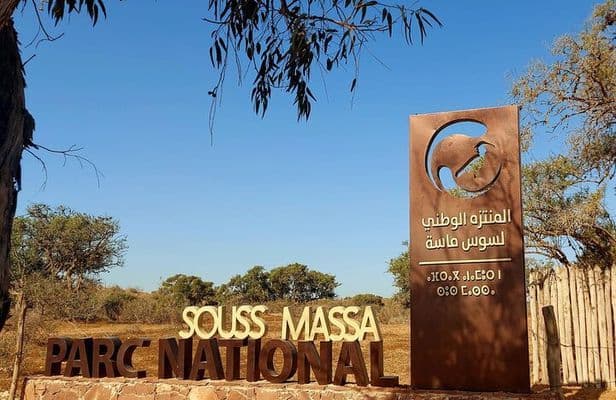
Souss-Massa National Park: Bald Ibis, Wildlife & How to Visit
South of Agadir, Souss-Massa National Park protects one of the rarest birds on the planet alongside flamingos, gazelle, and a reintroduction program for desert antelope. Here's what an honest visit looks like, guide included.
Обговорення
Поділіться досвідом, поставте запитання або виправте нас — ми читаємо кожен коментар.
Будьте першим, хто поділиться думкою про цю статтю.