
What Agadir is really like in December and January: daytime highs, night temperatures, sea temperature, rain days, surf season, and what's actually open over Christmas and New Year, from the operator running tours here year-round.
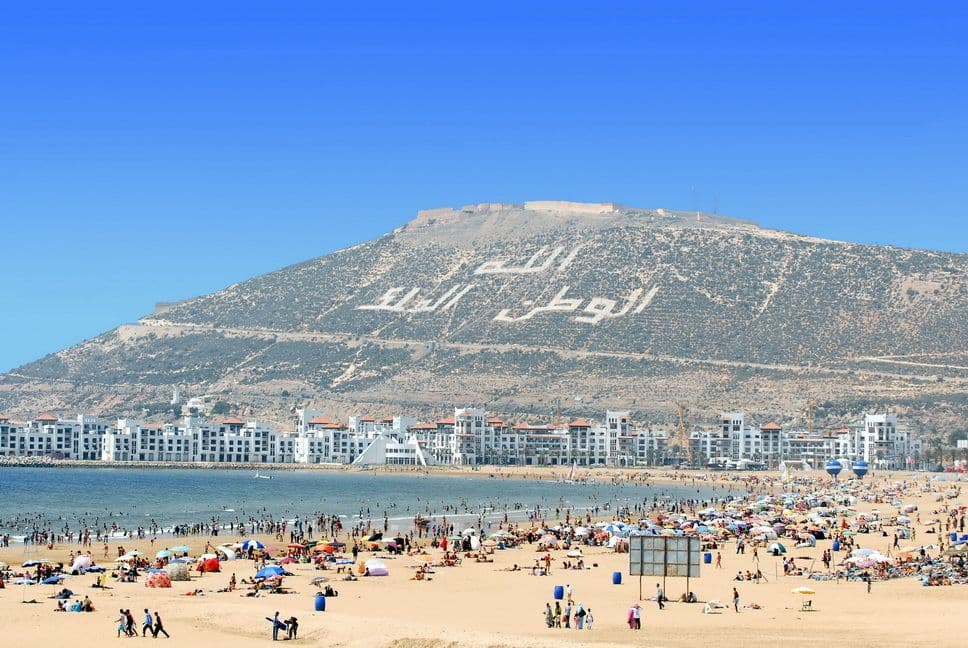
# Is Agadir Worth Visiting in December and January?
Yes. December and January bring Agadir's most reliable version of itself: daytime highs around 20–21°C, more sunny afternoons than not, and a sea that has cooled to 17–18°C, swimmable if you're hardy — excellent if you surf in a wetsuit. Evenings drop further than most visitors expect, down to 8–12°C once the sun goes, so the honest packing list has real layers in it. Rain shows up on a handful of days each month and rarely lasts long. January is the quiet, cheap version of an Agadir holiday; December is the same weather with a higher price tag bolted onto the Christmas and New Year fortnight.
Here's the month-by-month picture, drawn from Weatherspark's Agadir climate averages and Weather and Climate's Agadir data, rounded to numbers you can actually plan around.
| Month | Day temp | Night temp | Sea temp | Rain days | Crowd level |
|---|---|---|---|---|---|
| December | 20–21°C | 9–12°C | 18–19°C | 4–5 | Quiet to ~20th, then booked out through New Year |
| January | 19–20°C | 8–9°C | 17–18°C | 3–4 | The year's quietest month |
| February | 20–21°C | 9–10°C | ~17°C (the coldest sea of the year) | 3–5 | Low, rising toward UK half-term |
A few honest notes on that table. Agadir's tourism board has marketed "340 days of sunshine a year" for decades. The exact figure depends on how you count a partly cloudy afternoon, but the underlying claim holds up reasonably well: Weatherspark's cloud-cover data puts Agadir skies clear roughly 68–73% of the time from December through February, which matches how the season feels on the ground, with bright mornings, a band of cloud that usually burns off by midday, and the odd grey day mixed in. Rain, when it comes, is rarely the multi-day event a European winter produces. It's a few hours of proper rain, and then it clears.
Sea temperature is the number worth sitting with before you pack a swimsuit and nothing else. At 17–18°C, the Atlantic here sits close to a UK seaside in late spring: doable for a quick dip, uncomfortable for an afternoon lounging in it, and the reason every surfer in the water is wearing a 3/2mm wetsuit rather than boardshorts.
Every tour we operate runs twelve months a year. Nothing shuts down for winter here the way a ski resort shuts down for summer. A few things, though, are actually better in December and January than they are in August, not just still open.
October to April is Taghazout's bigger swell window, and December and January sit right in the middle of it. Group lessons still run daily and cost the same 250–400 MAD (about €25–40) for a two-hour session that they do in July, while beginner spots like Crocs Beach and Tamri work year-round regardless of what the point breaks are doing. The winter difference: bigger, more consistent swell for anyone past their first few lessons, better wave shape, and fewer beginners cluttering the lineup. You'll need the wetsuit the school hands you, since water sits around 17–18°C, but nobody is cutting a session short for the cold.
Paradise Valley is spring-fed, and winter is when that spring works hardest. December through February rain tops up the pools, so the gorge usually holds more water and a stronger flow than the same spot in September after a rainless summer. The trade-off is temperature: swimming turns into a fast dip rather than an afternoon lounge, and most winter visitors come for the hike and the photos rather than a swim. Half-day tours from Agadir still run at the same 212 MAD (about €20) per person that they do all year.
The Timlaline dunes sit about 70 km north of Agadir, up the coast toward Aghroud: a 90-minute drive, and not the direction most first-time visitors guess. Sandboarding here is noticeably easier to enjoy in winter than in summer. Summer sand can reach temperatures that punish bare skin through thin shoes, while December and January mornings and afternoons sit at a comfortable 20°C or so, without the July and August heat that pushes guides toward sunset-only slots.
Morocco is a Muslim-majority country, and neither December 25th nor the days around it are a public holiday here. That changes very little for visitors, though. Hotels, restaurants and every tour we run operate on a completely normal schedule on the 25th. Larger hotels catering to European guests often lay on a Christmas dinner or a few festive decorations for anyone who wants them, but it's an add-on, not the default.
January 1st is different. It's an actual public holiday in Morocco, the same as in most of the world, and it's the one date over winter when government offices and banks close. Tourism doesn't pause for it: transfers run, tours run, and plenty of hotels in Agadir and Taghazout host a New Year's Eve dinner or party, because the days either side of it make up the single busiest week of the whole winter for European visitors.
If you're timing a trip around Ramadan, you can relax. Ramadan falls in February and March for the next two winters, not December or January. In 2026 it runs roughly 18 February to 19 March, and in 2027 it's expected around 9 February to 9 March. Both dates depend on the sighting of the moon and can shift by a day, but neither year touches the winter months this guide covers.
December splits into two different halves. The first three weeks run quiet, close to January in both price and crowd levels. Then the school-holiday rush arrives. European flights fill up, riads and beachfront hotels in Agadir and Taghazout book out well ahead, and transfer and tour prices creep up too, roughly from the week before Christmas through New Year's Day. If you're set on traveling over the holidays, book accommodation and any tours you care about (sandboarding and Paradise Valley fill fastest) a month or more ahead.
January is the reward for waiting. Flights are cheaper, hotels drop back to low-season rates, and you get the same weather everyone paid a premium for two weeks earlier. It's the month we'd point a budget-conscious traveler toward if their dates are flexible.
Compared with the Canary Islands, the usual alternative winter-sun destination from Northern Europe, Agadir runs similar air and sea temperatures through December and January, but costs less on the ground: hotels, meals and tours all come in below Tenerife or Gran Canaria prices for a comparable standard. What you trade for that is a shorter flight time from the Canaries for some travelers, plus more built-out tourist infrastructure there. For a winter-sun week built around sun, mild swimming and good surf rather than nightlife, Agadir holds up well against that comparison.
Layers, not a winter coat. A base layer or t-shirt for the warm midday, a fleece or light jacket for morning and evening, and a waterproof or windproof shell for the handful of rain days: that combination covers Agadir in December and January better than anything heavier. Our fuller seasonal packing guide covers the desert and mountain trips too, where nights get properly cold.
We've picked up enough January guests at 8am to know the pattern by now. People step off an airport transfer in shorts and sandals, having read "20°C" and packed for a beach holiday — then stand in a jacket-shaped Atlantic wind within about ninety seconds of the van door opening. By midday they're back in the shorts. The temperature swing between a January morning and a January afternoon here is bigger than most winter-sun brochures let on, and it's the one thing we correct for guests more than anything else in the cooler months.
Beyond the sun-and-surf trip, winter is also a comfortable time to work through Agadir's fuller day trip and tour list without summer heat slowing you down between stops. If your dates could shift, our month-by-month breakdown of the whole year puts December and January in context against the rest of the calendar.
The sea sits around 17–18°C, swimmable for a short, brisk dip but cold enough that most people don't linger without a wetsuit. Surfers stay in for hours in a 3/2mm suit; sunbathing-only visitors tend to treat the sea as a photo opportunity rather than a swim.
Not by European standards. December and January each see roughly three to five days with rain, usually a few hours of it rather than an all-day washout, out of 30 or 31 days in the month. Most winter days in Agadir are dry and sunny.
January, if your dates are flexible: the same weather, lower prices, and none of the Christmas-to-New-Year crowding. December works well too, especially its first three weeks, but book early if your trip lands over the holidays.
Layers. Light clothing for midday warmth, a fleece or jacket for mornings, evenings and the Atlantic wind, and a light waterproof for the occasional rain shower. See our full what to wear in Morocco guide for desert and mountain add-ons.
Yes. Neither Christmas Day nor the surrounding week is a religious holiday in Morocco, so tours, hotels and restaurants run as normal, and some hotels add festive touches for guests who want them. January 1st is an official Moroccan public holiday, but tourism operates normally through it regardless.
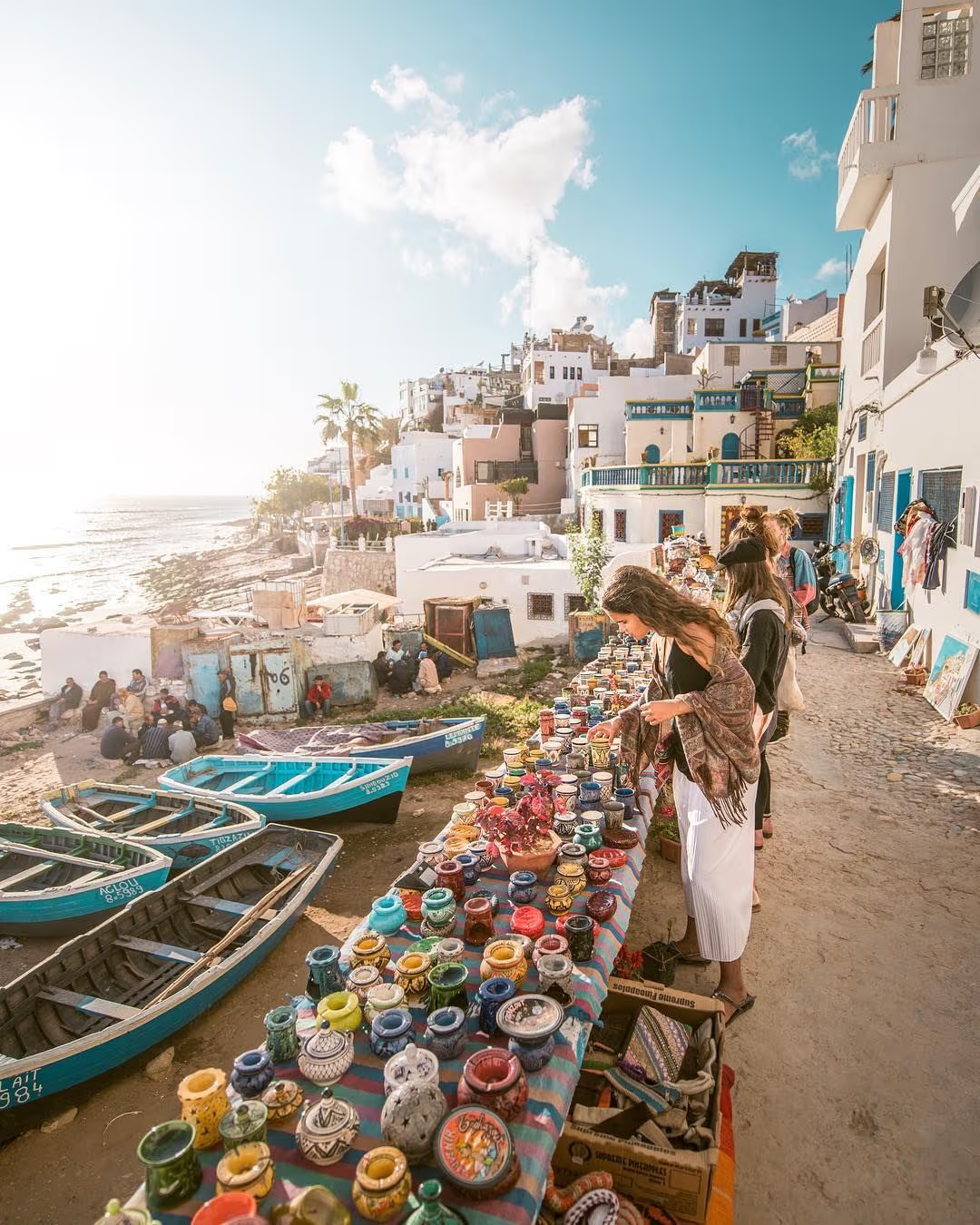
From surf breaks and sandboarding to Paradise Valley waterfalls and smoky lamb tagine, this guide covers everything you need to make the most of Morocco's sunniest coast.
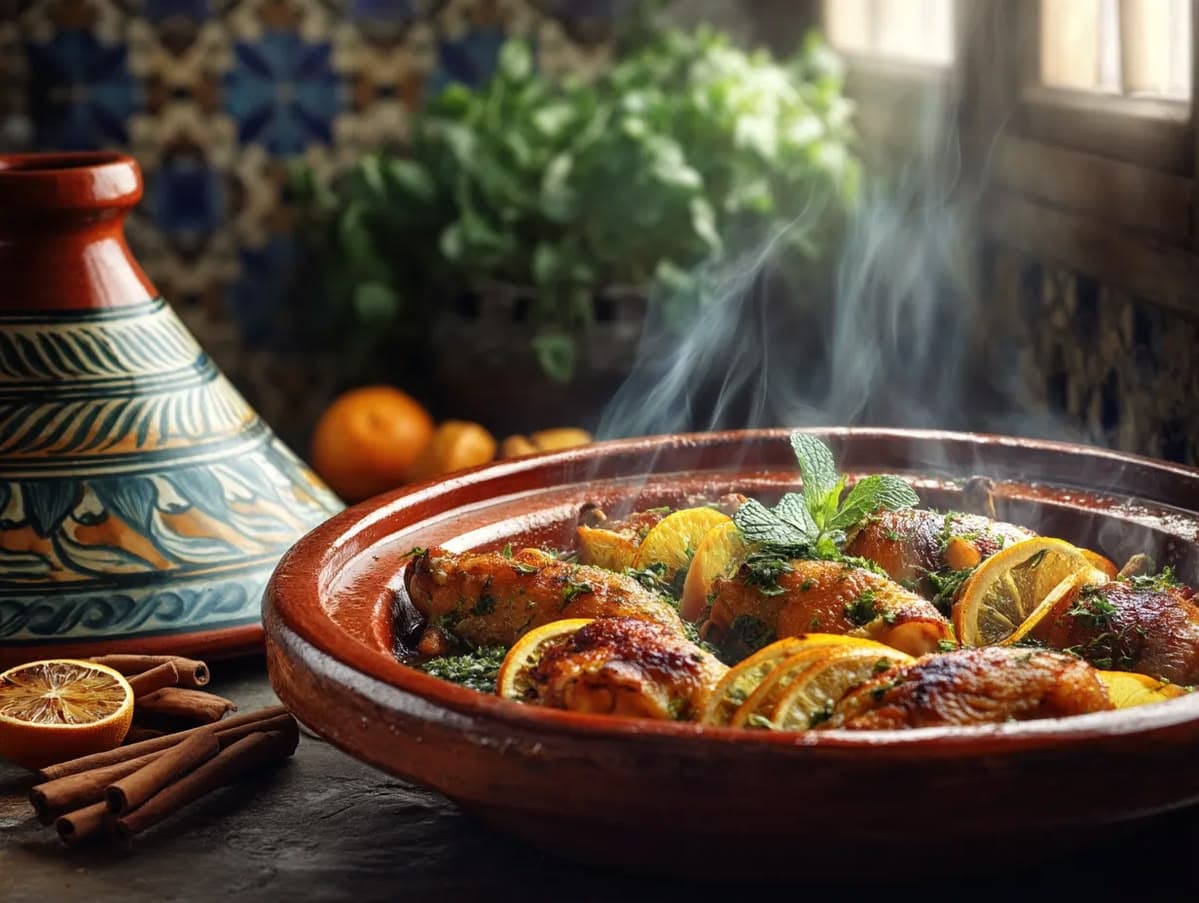
Forget restaurant guides. Here's how we actually eat in Agadir and Taghazout: fish by weight at the port, souk stalls for breakfast, and what a tagine should really cost.
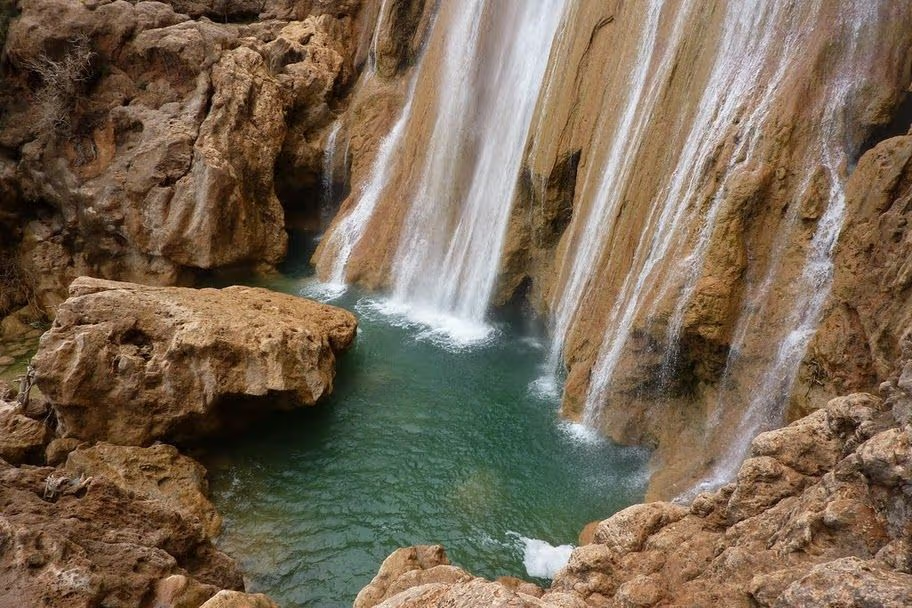
The Imouzzer waterfalls are at their best from November to April and a trickle the rest of the year — here's what we tell guests before they book, plus the honest case for going anyway.

Discussie
Deel je ervaring, stel een vraag of corrigeer ons — we lezen elke reactie.
Wees de eerste die zijn mening over dit artikel deelt.